

Black Box Warning Explained: What a Boxed Warning Means for FDA Black-Box Warning Antidepressant Prescription Medication Safety
Introduction to Black Box Warnings in Nursing Practice
Medication safety remains a foundational component of clinical care, requiring a clear understanding of how regulatory guidance informs everyday decision-making. One of the most critical safety mechanisms in pharmacology is the Black Box Warning, the strongest alert issued by the Food and Drug Administration for a prescription drug. A Black Box Warning—also known as a boxed warning or black-box warning—is displayed within a prominently displayed box on a drug label, emphasizing serious or life-threatening side effects, including the possibility of death or serious injury.
Unlike routine warnings and precautions, a Black Box Warning signals a significantly elevated level of concern. It reflects evidence gathered through multiple stages of drug evaluation, including clinical trial data and real-world adverse drug events. These warnings are applied to drug and biological products when substantial safety risks are identified, making them a crucial consideration in both prescribing and patient care.
Overview of the Black Box Warning and Its Role in Modern Healthcare
The Black Box Warning plays a central role in promoting drug safety across healthcare systems. It serves as a high-visibility safety warning designed to immediately capture attention and guide clinical judgment.
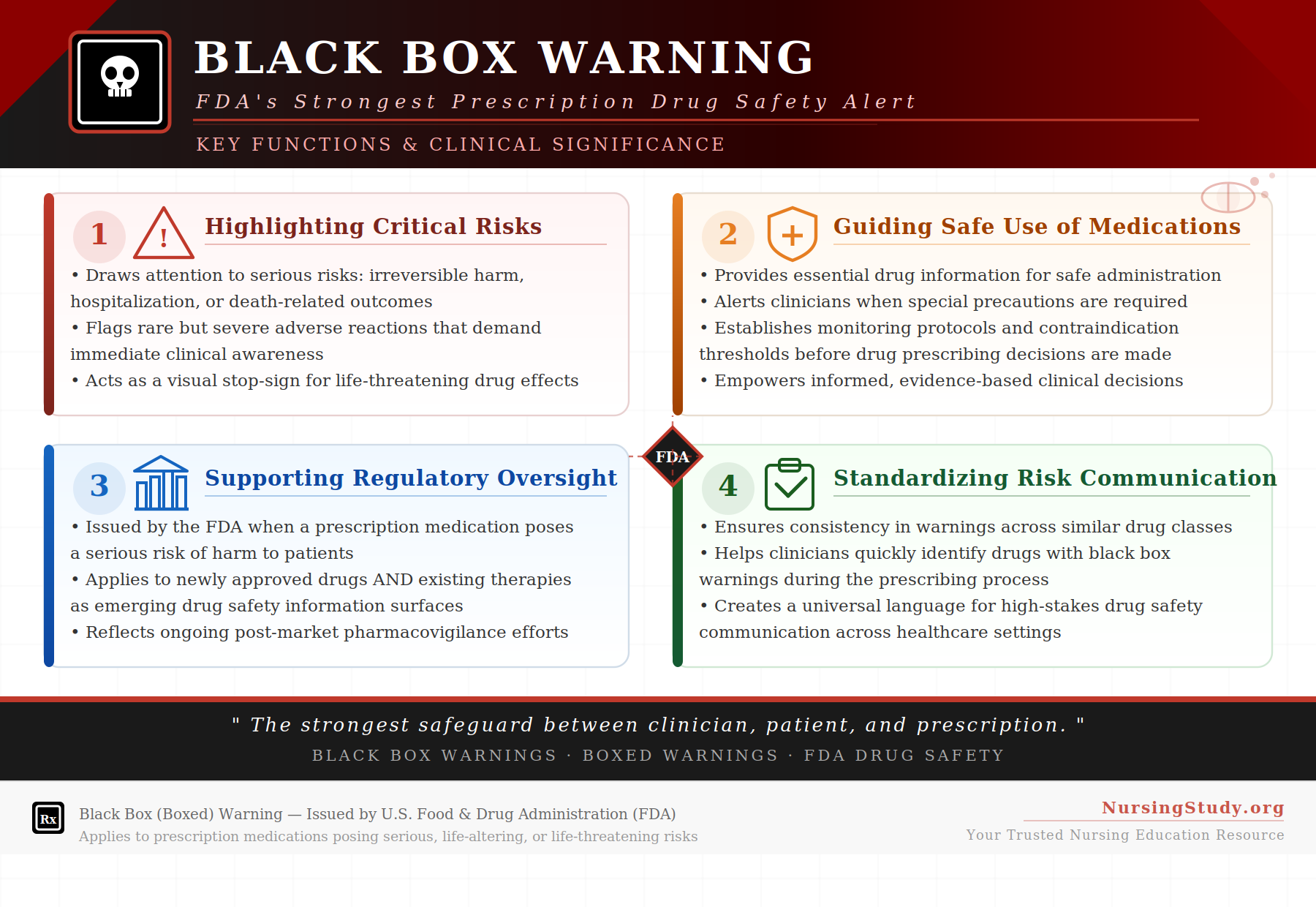
Key functions of a Black Box Warning include:
- Highlighting Critical Risks
- Draws attention to serious risks such as irreversible harm, hospitalization, or outcomes that may lead to death or serious complications
- Often associated with serious side effects or rare but severe adverse reactions
- Guiding Safe Use of Medications
- Provides essential drug information for safe administration
- Alerts clinicians when a medication with a boxed warning requires special precautions
- Supporting Regulatory Oversight
- Issued when the Food and Drug Administration determines that a prescription medication poses a risk of serious harm
- May apply to both newly approved drugs and existing therapies as new drug safety information emerges
- Standardizing Risk Communication
- Ensures consistency in how warnings apply across similar types of medications
- Helps clinicians quickly identify drugs with black box warnings during drug prescribing
In modern healthcare, more than 400 medications are known to carry such warnings, reflecting the complexity of balancing therapeutic benefits with potential harm.
A thorough understanding of the Black Box Warning is essential for safe and effective medication management. These warnings directly influence how clinicians evaluate, administer, and monitor therapies.
Core reasons this knowledge is critical include:
- Clinical Decision-Making
- A Black Box Warning impacts whether a provider chooses to prescribe a drug
- Requires careful evaluation of risks and benefits before initiating therapy
- Patient Monitoring and Safety
- Many medications with boxed warnings require close observation for adverse effects
- Early identification of adverse drug reactions can prevent progression to severe outcomes
- Medication Selection
- Certain drugs are reserved for cases where alternative treatments are ineffective due to their potential risk
- Clinicians must consider whether safer options exist within the same drug class
- Legal and Ethical Responsibility
- Failure to recognize a Black Box Warning can result in unsafe care and potential liability
- Emphasizes accountability among every healthcare professional
- Interpreting Drug Labeling
- Understanding boxed warning sections of labeling ensures accurate interpretation of prescription drug labeling
- Helps clinicians navigate detailed package insert information effectively
Confused about formatting or citations?
We’ll ensure your nursing assignment meets academic standards
The Connection Between FDA Black Box Alerts and Patient Safety
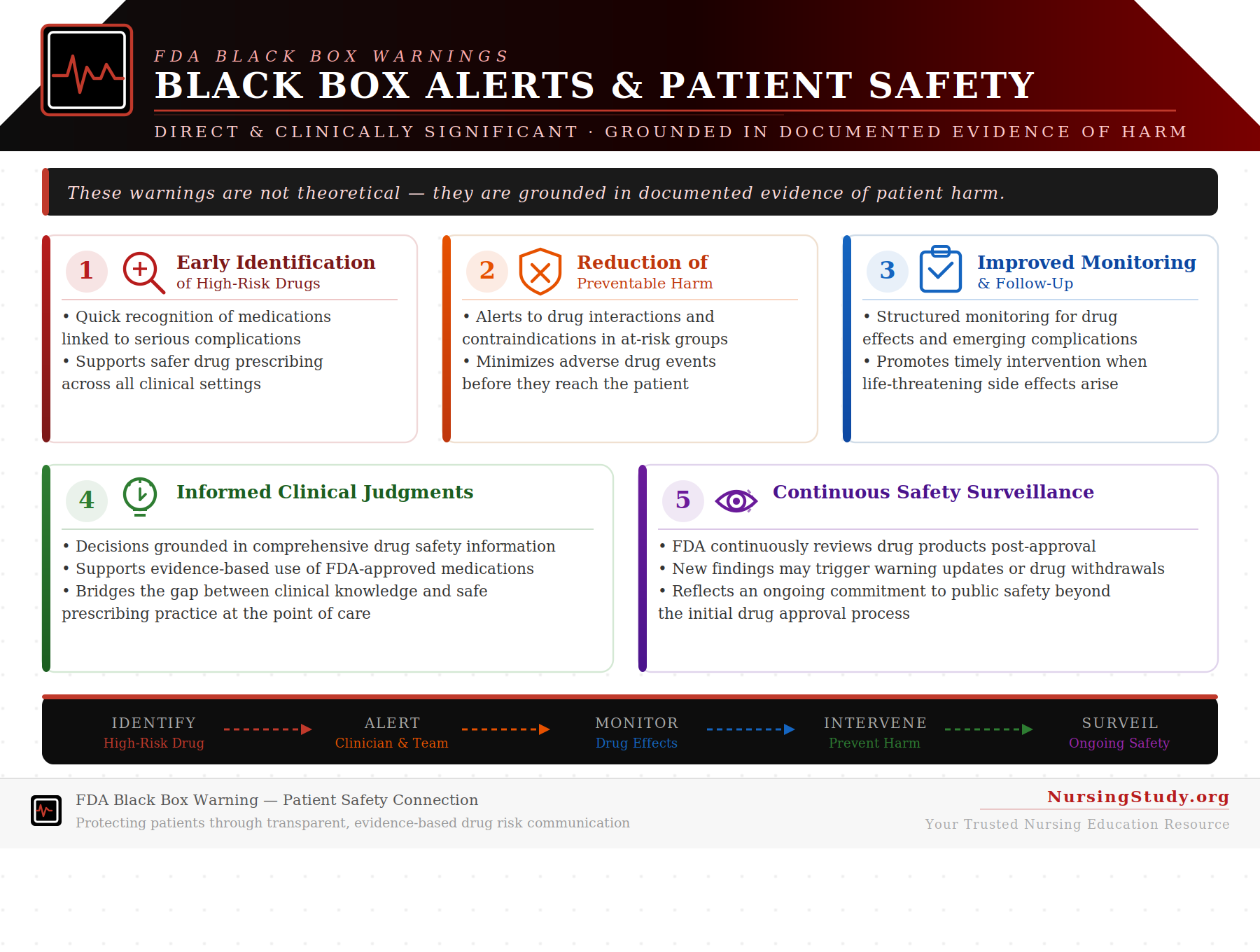
The relationship between a Black Box Warning and patient safety is direct and clinically significant. These warnings are not theoretical—they are grounded in documented evidence of harm.
How Black Box Warnings enhance patient safety:
- Early Identification of High-Risk Drugs
- Enables quick recognition of certain medications associated with serious or life-threatening complications
- Supports safer drug prescribing practices
- Reduction of Preventable Harm
- Alerts clinicians to drug interactions, contraindications, and populations at increased risk
- Helps minimize adverse events and adverse drug outcomes
- Improved Monitoring and Follow-Up
- Encourages structured monitoring for drug effects and emerging complications
- Promotes timely intervention when serious or life-threatening side effects occur
- Informed Clinical Judgments
- Ensures that decisions are based on comprehensive drug safety information
- Supports evidence-based use of medications approved by the FDA
- Continuous Safety Surveillance
- The Food and Drug Administration continuously reviews drug products even after drug approval
- New findings may result in a warning issued, updates, or even drug withdrawals in extreme cases
Overview of the Black Box Warning and Its Role in Modern Healthcare
A Black Box Warning represents the highest level of safety alert applied to a prescription medication, indicating that the drug carries serious or life-threatening side effects that require immediate attention in clinical practice. This designation is issued by the Food and Drug Administration when substantial evidence demonstrates a risk of serious harm associated with a medication. The warning appears in a black border at the top of the drug label, making it the most prominent feature within prescription drug labeling.
In modern healthcare systems, the Black Box Warning plays a critical role in bridging regulatory science with bedside care. It is not simply a label—it is a structured communication tool that informs clinicians about safety risks identified during drug evaluation and research, including findings from clinical trial data and post-marketing adverse drug events.
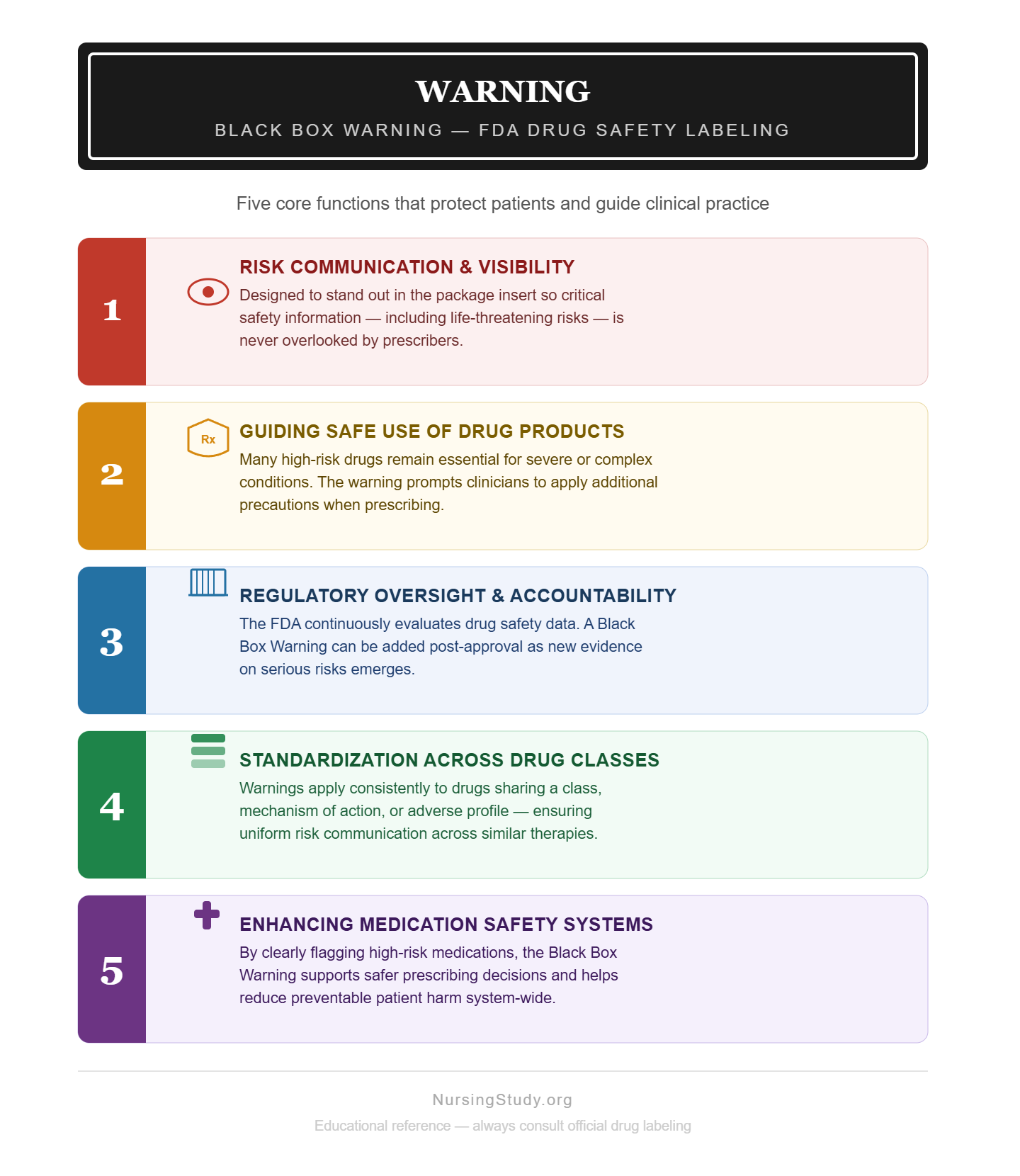
Key Roles of the Black Box Warning
- Risk Communication and Visibility
- The Black Box Warning is designed to stand out within the package insert, ensuring that critical safety information is not overlooked
- It highlights serious risks, such as complications that may lead to death or serious outcomes
- Guiding Safe Use of Drug Products
- Many drug products with this designation are still widely used to treat severe or complex conditions
- The warning ensures that clinicians apply additional precautions when prescribing the medication
- Regulatory Oversight and Accountability
- The Food and Drug Administration continuously conducts drug evaluation to determine whether new or existing therapies require updated safety labeling
- A Black Box Warning may be added even after a drug is approved, reflecting evolving drug safety information
- Standardization Across Drug Classes
- In many cases, warnings apply to drugs of the same class, ensuring consistency in how risks are communicated
- This is particularly important for types of medications with similar mechanisms of action and shared adverse profiles
- Enhancing Medication Safety Systems
- By clearly identifying medications that carry significant risks, the Black Box Warning supports safer prescribing practices and reduces preventable harm
For example, certain cardiovascular drugs include warnings about the risk of heart complications, while oncology therapies may highlight the potential for severe immunosuppression. These warnings ensure that clinicians remain aware of the potential risk associated with treatment decisions.
Why Understanding Boxed Warning Labels Is Essential for Nursing Students
A comprehensive understanding of the Black Box Warning is essential for safe clinical practice. These warnings directly influence how medications are administered, monitored, and evaluated in real-world healthcare settings.
Importance in Clinical Practice
- Enhancing Medication Safety Awareness
- Recognizing a Black Box Warning ensures that clinicians remain vigilant when handling medications with boxed warnings
- Promotes proactive identification of adverse effects before they escalate into severe complications
- Supporting Informed Clinical Decisions
- When a medication has a black box, it signals the need to carefully weigh risks and benefits
- Clinicians must determine whether the benefits of a medication justify its potential harm
- Improving Patient Monitoring
- Many drugs with black box warnings require close observation for adverse drug reactions and emerging complications
- Early detection of adverse events can significantly reduce morbidity and mortality
- Strengthening Drug Knowledge and Interpretation
- Understanding drug information within boxed warning sections of labeling allows for accurate interpretation of safety data
- Helps clinicians navigate complex prescription drug labeling and apply it effectively in practice
- Promoting Safe Drug Administration
- Knowledge of drug interactions and contraindications is critical when dealing with high-risk therapies
- Ensures appropriate adjustments in dosing, timing, and patient selection
Clinical Example
Consider an antidepressant classified under a suicidal thoughts drug class, where a Black Box Warning highlights the increased risk of suicidal thoughts and behaviors in younger populations. In such cases:
- A healthcare provider must carefully assess patient history before initiating therapy
- Continuous monitoring is required to identify early signs of psychological deterioration
- Patient and family education becomes essential to ensure timely reporting of symptoms
This example illustrates how the Black Box Warning directly influences clinical judgment, patient education, and ongoing monitoring.
The Connection Between FDA Black Box Alerts and Patient Safety
The relationship between a Black Box Warning and patient safety is both direct and measurable. These warnings are developed to prevent harm by ensuring that clinicians are fully aware of the most critical safety risks associated with a medication.
How Black Box Warnings Improve Patient Safety
- Early Identification of High-Risk Medications
- A Black Box Warning allows clinicians to quickly identify certain medications associated with severe complications
- This supports safer drug prescribing and reduces the likelihood of inappropriate use
- Reduction of Adverse Drug Outcomes
- Alerts clinicians to the possibility of serious or life-threatening complications
- Encourages proactive measures to prevent adverse drug reactions and adverse drug events
- Improved Monitoring and Clinical Surveillance
- Promotes structured monitoring for drug effects and early signs of toxicity
- Enables timely intervention before complications escalate
- Regulatory Safeguards and Continuous Review
- The Food and Drug Administration plays a central role in ensuring that drug safety remains a priority
- Through ongoing review, the agency may update or revise a fda warning based on new evidence
- Support for Evidence-Based Practice
- Ensures that clinical decisions are informed by the most current drug safety information
- Aligns patient care with standards established by the us food and drug administration
Real-World Impact
In some cases, the accumulation of adverse events has led to major regulatory actions, including drug withdrawals or the addition of a serious warning to existing medications. For instance:
- A new drug initially considered safe may later be found to increase the risk of severe complications
- The food and drug administration’s response may involve issuing a Black Box Warning to protect patients
What a Boxed Warning Means in Drug Labeling
A Black Box Warning is the most prominent and serious form of safety communication included in prescription drug labeling. It appears at the top of the drug label inside a prominently displayed box, often outlined with a black border, to immediately alert clinicians to critical safety concerns. When the Food and Drug Administration determines that a medication carries a risk of serious harm, it may require this designation as part of its regulatory authority over drug and biological products.
In practical terms, a Black Box Warning signals that a medication is associated with serious or life-threatening side effects, including outcomes that may lead to death or serious complications. These warnings are not limited to newly developed therapies; they can also be added to existing medications when new drug safety information emerges from clinical trial data or post-marketing adverse drug events.
Within modern healthcare systems, the Black Box Warning serves as a critical checkpoint in clinical reasoning. It ensures that every healthcare professional involved in medication management is aware of the most significant safety risks before initiating or continuing therapy. Importantly, while these warnings indicate high-risk scenarios, they do not automatically prohibit use. Instead, they emphasize the need for careful evaluation of the risks and benefits, especially when the medication is used to treat severe or life-threatening conditions.
Definition and Purpose of a Boxed Warning in a Drug Label
A boxed warning—commonly referred to as a Black Box Warning or black-box warning—is a formal fda issued safety alert included in the labeling of a prescription drug to highlight serious risks associated with its use. It is the strongest warning that the Food and Drug Administration can mandate short of removing a drug from the market.
Core Purposes of a Boxed Warning
- Communicating High-Level Risk
- Alerts clinicians to serious or life-threatening complications, including serious side effects and severe adverse reactions
- Highlights situations where a drug may increase the risk of significant harm
- Guiding Clinical Decision-Making
- Influences how clinicians prescribe medications and determine appropriate patient selection
- Encourages a structured evaluation of benefits of a medication versus its potential risk
- Enhancing Drug Safety Practices
- Promotes safer use of drug products by requiring additional precautions, monitoring, or restrictions
- Supports safer drug prescribing by ensuring clinicians consider contraindications and drug interactions
- Standardizing Safety Communication
- Ensures that warnings apply consistently across similar types of medications or drugs of the same class
- Provides a uniform format that is easily recognizable in all medications with boxed warnings
Practical Example
Certain anticoagulants carry a Black Box Warning highlighting the risk of severe bleeding, particularly when discontinued abruptly. In such cases:
- The warning means that stopping therapy without proper management may result in life-threatening complications
- Clinicians must carefully plan transitions between therapies and monitor for adverse effects
This illustrates how a boxed warning is not merely informational but actively shapes patient management strategies.
How a Black-Box Warning Differs from Standard Warnings and Precautions
Not all safety information in a drug label carries the same level of urgency. A Black Box Warning is distinct from standard warnings and precautions in both its presentation and clinical significance.
Key Differences
- Level of Severity
- A Black Box Warning addresses serious or life-threatening side effects or outcomes that may result in death or serious injury
- Standard warnings typically address less severe or more common adverse effects
- Visibility and Placement
- A Black Box Warning appears at the very top of the package insert within a bold, black border
- Other warnings are embedded within sections of the drug label and may not be immediately visible
- Regulatory Requirement
- The Food and Drug Administration can mandate a Black Box Warning when evidence shows significant safety risks
- Standard warnings may be included as part of routine drug approval documentation without the same level of urgency
- Impact on Clinical Practice
- A medication with a boxed warning often requires stricter monitoring, restricted use, or specific prescribing conditions
- Standard warnings may simply recommend caution without fundamentally altering treatment decisions
- Association with Adverse Outcomes
- A Black Box Warning is typically linked to severe adverse drug reactions, adverse drug events, or long-term complications
- Standard warnings may address manageable or reversible effects
Clinical Illustration
For example, a chemotherapy agent may include a Black Box Warning due to the potential for severe bone marrow suppression, while also listing nausea and fatigue under standard warnings and precautions. This distinction helps clinicians prioritize which risks require immediate and intensive monitoring.
Key Elements Included in FDA Issued Boxed Warnings
A Black Box Warning is carefully structured to ensure that essential safety information is communicated clearly and effectively. The Food and Drug Administration requires that specific elements be included to guide safe use.
Core Components of a Boxed Warning
- Description of the Risk
- Clearly outlines the serious risks associated with the medication
- May include specific conditions such as organ toxicity, risk of heart complications, or severe infections
- Clinical Context
- Identifies the patient populations most at risk (e.g., pediatric, elderly, or those with comorbidities)
- Explains scenarios where the risk is most likely to occur
- Guidelines for Safe Use
- Provides recommendations for prescribing the medication, including dose adjustments or restrictions
- May specify when the drug should only be used if alternative therapies are ineffective
- Monitoring Requirements
- Details necessary follow-up, including laboratory tests or clinical assessments
- Emphasizes early detection of adverse drug reactions and adverse events
- Preventive Measures
- Suggests strategies to reduce harm, such as avoiding certain drug interactions or contraindicated combinations
- Regulatory Language and Authority
- Indicates that the warning is fda issued and based on evidence reviewed through drug evaluation and research
- Reflects ongoing oversight by the food and drug administration’s safety monitoring systems
Example of Structured Warning Content
In the case of some antidepressant medications, a Black Box Warning includes:
- A statement about the increased risk of suicidal thoughts and behaviors
- Identification of high-risk populations (e.g., adolescents and young adults)
- Recommendations for close monitoring during therapy initiation and dose adjustments
How the FDA Decides to Issue a Black Box Warning
A Black Box Warning is not applied arbitrarily; it reflects a rigorous, evidence-based decision made by the Food and Drug Administration after extensive evaluation of a drug’s safety profile. The process involves continuous assessment across the entire lifecycle of a medication—from pre-approval studies to long-term real-world use. When a prescription drug demonstrates a risk of serious harm that cannot be adequately communicated through standard labeling, the agency may determine that a serious warning in the form of a Black Box Warning is necessary.
This decision is rooted in a combination of scientific data, clinical judgment, and regulatory standards. The food and drug administration’s mandate is to ensure that all drug products remain both effective and safe, and when emerging evidence shows that a medication may increase the risk of severe outcomes, a warning issued in the form of a boxed alert becomes a critical intervention.
Key Considerations in Issuing a Black Box Warning
- Severity of the Risk
- The presence of serious or life-threatening complications, including outcomes that may lead to death or serious morbidity
- Evidence of irreversible harm or conditions requiring hospitalization
- Strength of Evidence
- Data derived from clinical trial findings, observational studies, and reported adverse drug events
- Consistent patterns of adverse drug reactions across diverse patient populations
- Frequency and Predictability
- Whether the adverse effects occur frequently or in specific high-risk groups
- Identification of patterns that allow clinicians to anticipate and mitigate risk
- Impact on Clinical Use
- Whether the risk significantly alters how clinicians should approach drug prescribing
- Situations where additional safeguards are required when prescribing the medication
- Availability of Safer Alternatives
- Consideration of whether other therapies within the same class present lower safety risks
- Evaluation of whether the medication should be restricted to specific indications
Through this structured approach, the us food and drug administration ensures that a Black Box Warning is only applied when absolutely necessary to protect patient health.
The Role of the FDA in Evaluating Safety Risks in a Prescription Drug
The Food and Drug Administration plays a central role in identifying and managing safety risks associated with medications. Its responsibilities extend beyond initial drug approval to continuous monitoring throughout a drug’s lifecycle.
Core Functions in Safety Evaluation
- Pre-Market Drug Assessment
- Before a new drug is approved by the FDA, it undergoes extensive drug evaluation and research
- This includes analysis of efficacy, dosing, and potential adverse reactions
- Review of Clinical Evidence
- The agency systematically analyzes clinical trial data to identify early safety concerns
- Special attention is given to serious side effects and adverse drug outcomes
- Post-Marketing Surveillance
- After fda approval, the agency collects real-world drug safety information from healthcare systems
- Reports of adverse events and drug events are continuously reviewed
- Regulatory Action and Updates
- If new evidence reveals previously unknown safety risks, the fda can require updates to the drug label
- This may include adding or revising a Black Box Warning
- Ensuring Public Safety
- In extreme cases, persistent safety concerns may lead to drug withdrawals
- More commonly, enhanced warnings are used to mitigate risk while preserving therapeutic benefits
This ongoing oversight ensures that medications remain aligned with evolving evidence and clinical practice standards.
How the FDA Decides When a Medication Has a Black Box Warning
Determining when a medication has a black box involves a careful balance between therapeutic benefit and potential harm. The Food and Drug Administration relies on a structured decision-making framework to evaluate whether a Black Box Warning is warranted.
Decision-Making Framework
- Risk–Benefit Analysis
- The agency assesses whether the benefits of a medication outweigh its potential risk
- Even high-risk drugs may remain available if they provide essential therapeutic value
- Consistency of Evidence
- A Black Box Warning is more likely when multiple data sources confirm the same safety concern
- Includes findings from trials, registries, and real-world clinical use
- Clinical Relevance of the Risk
- The risk must be significant enough to influence how clinicians prescribe or monitor the drug
- Minor or manageable effects typically do not justify a boxed warning
- Population-Specific Risk
- Certain medications pose higher risks in specific groups, such as pediatric or geriatric patients
- For example, some antidepressant medications are associated with suicidal thoughts and behaviors in younger individuals
- Need for Enhanced Communication
- When standard labeling is insufficient to convey the seriousness of the risk, a Black Box Warning becomes necessary
- The goal is to ensure that clinicians immediately recognize the safety warning
Example in Practice
A notable case involves drugs within a suicidal thoughts drug class, where accumulating evidence showed an increased risk of behavioral changes. As a result, the fda decides to implement a Black Box Warning to ensure that all healthcare providers are aware of the need for close monitoring.
Importance of Clinical Trials and Post-Marketing Data in Drug Approval and Safety Monitoring
The decision to apply or update a Black Box Warning relies heavily on data collected before and after a drug enters the market. Both phases are essential for identifying serious or life-threatening side effects and ensuring ongoing medication safety.
Role of Clinical Trials
- Initial Safety Identification
- Controlled studies help detect early adverse effects and establish baseline safety profiles
- Provide critical data for initial drug approval
- Limitations of Trials
- Trials often involve limited populations and controlled conditions
- Rare adverse drug reactions or long-term effects may not be detected
Role of Post-Marketing Surveillance
- Real-World Evidence Collection
- After a drug is widely used, larger populations reveal additional adverse drug events
- Data is gathered from hospitals, clinics, and reporting systems
- Detection of Rare or Delayed Risks
- Some complications only appear after prolonged use or in specific populations
- These findings may prompt the addition of a Black Box Warning
- Continuous Safety Monitoring
- The Food and Drug Administration continuously reviews incoming data to ensure ongoing drug safety
- Updates to prescription drug labeling reflect the latest evidence
Integrated Impact on Patient Safety
- Combines controlled research with real-world data to provide a comprehensive safety profile
- Ensures that clinicians have access to up-to-date drug information
- Supports timely interventions to reduce serious risks and improve outcomes
Types of Adverse Effects That Trigger Boxed Warnings
A Black Box Warning is issued when a medication is associated with serious or life-threatening side effects that significantly outweigh routine pharmacological risks. The Food and Drug Administration applies this highest level of safety warning when evidence from clinical trial data, post-marketing reports, or pharmacovigilance systems demonstrates that a prescription drug may result in death or serious injury under certain conditions.
The types of adverse effects that trigger a Black Box Warning are typically severe, irreversible, or unpredictable. These effects often involve critical organ systems or fundamental physiological processes, making them especially relevant in clinical decision-making and drug prescribing.
Major Categories of Triggering Adverse Effects
- Cardiovascular Complications
- Severe arrhythmias, myocardial infarction, or risk of heart failure
- Example: Certain antiarrhythmic drugs carry warnings due to fatal rhythm disturbances
- Neurological and Psychiatric Effects
- Suicidal thoughts and behaviors, seizures, or severe mood changes
- Frequently observed in some antidepressant medications, especially in younger populations
- Hematologic Toxicity
- Life-threatening bone marrow suppression leading to infection or bleeding risks
- Seen in some chemotherapy and immunosuppressive drug products
- Hepatic and Renal Failure
- Irreversible organ damage due to toxic drug effects
- May require hospitalization or organ transplantation
- Severe Immunologic Reactions
- Anaphylaxis or severe hypersensitivity reactions
- Rapid onset and potentially fatal without immediate intervention
Common Adverse Effects Associated With Drugs With Black Box Warnings
Many drugs with black box warnings share a pattern of predictable but severe adverse drug reactions. These reactions are often identified after widespread use and are documented through drug safety information collected in real-world settings.
Frequently Observed Adverse Effects
- Serious or life-threatening bleeding
- Common in anticoagulant therapies
- Severe infections
- Seen with immunosuppressants and biologics
- Psychiatric instability
- Including agitation, depression, and suicidal thoughts drug class effects in antidepressants
- Endocrine disruptions
- Hormonal imbalance or metabolic disturbances
- Severe gastrointestinal complications
- Such as perforation or hemorrhage
Clinical Example
A well-known example includes antidepressant medications, where early treatment phases may be associated with an increased risk of suicidal thoughts and behaviors, particularly in adolescents. This risk led the Food and Drug Administration to require a Black Box Warning for this class of drugs.
Life-Threatening Risks vs Severe Long-Term Complications
Understanding the distinction between immediate life-threatening reactions and long-term complications is essential when interpreting a Black Box Warning.
Life-Threatening Risks
These occur rapidly and may require emergency intervention.
- Examples include:
- Anaphylactic shock
- Acute organ failure
- Severe cardiac arrhythmias
- Rapid onset respiratory depression
These risks often justify urgent restrictions in prescribing the medication, as outcomes may lead to death or serious harm within a short time frame.
Severe Long-Term Complications
These develop gradually but may cause irreversible damage.
- Examples include:
- Chronic liver toxicity
- Cumulative neurotoxicity
- Progressive cardiovascular damage
- Long-term endocrine dysfunction
Although not immediately fatal, these outcomes significantly reduce quality of life and may eventually result in serious morbidity.
Key Distinction in Clinical Practice
- Life-threatening risks require immediate action and strict monitoring
- Long-term complications require ongoing surveillance and preventive strategies
Both categories are considered when evaluating whether a prescription medication warrants a Black Box Warning.
How Risk Severity Influences FDA Black Box Classification
The severity of harm plays a central role in determining whether the Food and Drug Administration will classify a medication with a Black Box Warning. The decision is based on structured evaluation of safety risks, clinical impact, and population vulnerability.
Factors That Influence Classification
- Magnitude of Harm
- The more severe the outcome (e.g., death or permanent disability), the more likely a boxed warning is required
- Frequency of Occurrence
- Rare but catastrophic events may still justify a Black Box Warning
- More frequent moderate-to-severe events strengthen the case for classification
- Reversibility of Effects
- Irreversible outcomes (e.g., organ failure) carry higher regulatory weight
- Reversible effects may be addressed with standard warnings and precautions
- Population Vulnerability
- Higher risk in specific groups (children, elderly, pregnant patients) increases classification likelihood
- Example: Psychiatric drug class risks in adolescents
- Clinical Context and Therapeutic Necessity
- Drugs treating life-threatening conditions may still be approved despite high risks
- The benefits of a medication must be weighed against its potential risk
Regulatory Outcome
When risk severity reaches a critical threshold:
- The drug may receive an fda black box designation
- A warning issued becomes part of the official drug label
- Additional monitoring or prescribing restrictions may be recommended
Clinical Impact on Drug Prescribing and Patient Care
A Black Box Warning has a direct and measurable influence on clinical practice because it represents the highest level of safety warning attached to a prescription medication. When the Food and Drug Administration issues this designation, it signals that a drug carries serious or life-threatening side effects that may lead to death or serious harm if not carefully managed. As a result, the presence of a Black Box Warning reshapes how clinicians evaluate drug safety, make prescribing decisions, and monitor patients throughout treatment.
In clinical settings, these warnings function as a decision-making checkpoint that ensures every healthcare professional considers the risks and benefits before initiating therapy. This is particularly important when managing drugs with black box warnings, where even small errors in judgment may result in significant adverse drug events or severe adverse reactions.
How a Medication Has a Black Box Affects Drug Prescribing Decisions
When a medication has a black box, it significantly alters the prescribing behavior of clinicians. The presence of this warning introduces additional layers of clinical evaluation before a prescription drug is selected or continued.
Key Impacts on Prescribing Decisions
- Stricter Patient Selection
- Only patients with clear clinical indication are considered
- High-risk populations (e.g., elderly, pediatric, or those with comorbidities) require extra caution
- Alternative Therapy Consideration
- Clinicians may prefer safer alternatives within the same drug class
- A new drug without a boxed warning may be prioritized when clinically appropriate
- Enhanced Risk–Benefit Evaluation
- The benefits of a medication must clearly outweigh its potential risk
- This evaluation is especially critical for chronic conditions requiring long-term therapy
- Influence on Clinical Guidelines
- Treatment protocols often incorporate FDA black box information
- Some medications are reserved for second-line or last-resort use
Clinical Example
An antidepressant within a suicidal thoughts drug class may still be prescribed for major depressive disorder, but only after careful evaluation due to its association with increased risk of suicidal thoughts and behaviors. This directly affects whether a clinician chooses to initiate therapy or explore non-pharmacological interventions first.
Adjustments Healthcare Providers Make When They Prescribe High-Risk Drugs
When working with prescription medications that carry a Black Box Warning, clinicians must modify standard prescribing practices to ensure medication safety and reduce harm.
Common Clinical Adjustments
- Dose Modification and Titration
- Starting at lower doses to reduce adverse effects
- Gradual dose escalation to monitor tolerance
- Restricted Use Conditions
- Limiting use to specific diagnoses or severe cases
- Ensuring therapy is initiated only in controlled clinical settings
- Increased Monitoring Requirements
- Frequent assessment for adverse drug reactions
- Laboratory monitoring when organ toxicity is a concern
- Avoidance of High-Risk Combinations
- Preventing drug interactions that may amplify toxicity
- Reviewing all concurrent drug products before prescribing
- Informed Consent and Patient Education
- Explaining the serious risks associated with treatment
- Ensuring patients understand early warning signs of complications
Practical Example
For a medication with cardiovascular toxicity risks, a clinician may:
- Order baseline ECG before initiating therapy
- Schedule regular follow-ups to monitor cardiac function
- Avoid co-prescribing drugs that prolong QT interval
These adjustments are essential when managing medications that carry a Black Box Warning.
Role of Nurses in Ensuring Drug Safety and Monitoring Patients
Nurses play a central role in translating Black Box Warning information into safe bedside care. Their responsibilities extend beyond administration to include continuous monitoring, education, and early detection of complications.
Core Nursing Responsibilities
- Patient Monitoring
- Observing for early signs of adverse drug events
- Identifying changes in mental status, vital signs, or physical condition
- Monitoring for serious side effects associated with high-risk medications
- Medication Administration Safety
- Ensuring correct dosage and timing of prescription medication
- Verifying drug label information before administration
- Double-checking high-alert medications
- Patient Education
- Teaching patients about warning signs of toxicity or worsening symptoms
- Explaining the importance of adherence despite potential risks
- Reinforcing when to seek immediate medical attention
- Reporting and Documentation
- Documenting observed adverse reactions accurately
- Reporting significant adverse drug events through institutional systems
- Supporting pharmacovigilance efforts tied to drug safety information
- Interprofessional Collaboration
- Communicating concerns promptly to healthcare providers
- Participating in care planning for patients on high-risk therapies
- Contributing to ongoing evaluation of treatment effectiveness
Clinical Example
A patient starting an antidepressant medication with a Black Box Warning requires close observation during the initial weeks of therapy. Nurses monitor for:
- Behavioral changes
- Emergence of suicidal thoughts and behaviors
- Worsening depression symptoms
Early detection allows timely intervention, potentially preventing severe outcomes.
Risk–Benefit Analysis and Patient Education
A Black Box Warning fundamentally reshapes how clinicians approach decision-making because it highlights the most serious category of safety risks associated with a prescription medication. When the Food and Drug Administration issues a boxed warning, it signals that a drug may cause serious or life-threatening side effects, including outcomes that may lead to death or serious harm. Despite this, many of these drug products remain clinically valuable, making risk–benefit analysis a central component of safe prescribing and patient care.
At the heart of this process is the careful comparison between the benefits of a medication and its potential risk. This evaluation is not static; it evolves with emerging drug safety information, updated clinical trial data, and real-world adverse drug events. For healthcare teams, especially those managing drugs with black box warnings, this analysis ensures that therapy is justified, appropriate, and continuously reassessed.
Balancing Therapeutic Benefits Against Safety Risks
Balancing therapeutic benefit and risk requires structured clinical judgment and ongoing evaluation. A Black Box Warning does not automatically disqualify a medication from use; instead, it emphasizes the need for careful justification.
Key Considerations in Risk–Benefit Evaluation
- Severity of the Condition Being Treated
- Life-threatening or chronic conditions may justify use despite high risks
- Example: Certain antidepressant medications are still used to treat major depressive disorder despite risks of suicidal thoughts and behaviors
- Magnitude of the Risk
- Clinicians assess whether risks are rare, predictable, or severe
- Some adverse outcomes may increase the risk of hospitalization or permanent harm
- Availability of Alternatives
- Safer options within the same drug class are considered first
- A new drug may be preferred if it offers similar efficacy with fewer adverse effects
- Patient-Specific Factors
- Age, comorbidities, and concurrent drug interactions influence risk levels
- Certain populations are more vulnerable to serious or life-threatening complications
- Treatment Goals
- The expected clinical benefit must outweigh the risk of serious harm
- Long-term quality of life improvements are also considered
Clinical Example
A patient with severe, treatment-resistant depression may benefit from an antidepressant despite its black-box warning. In this case, untreated depression itself poses significant risk, including self-harm, making the medication’s benefits clinically necessary despite its serious risks.
Communicating Black Box Warning Information to Patients
Effective communication of Black Box Warning information is a critical responsibility for every healthcare professional. Patients must understand both the therapeutic purpose of the medication and its associated risks in clear, non-technical language.
Key Principles of Communication
- Clarity and Simplicity
- Avoid medical jargon when explaining drug label warnings
- Translate complex drug information into understandable terms
- Transparency About Risks
- Clearly explain adverse drug reactions and possible serious side effects
- Discuss both common and rare but severe outcomes
- Contextualizing Risk
- Help patients understand how likely risks are compared to benefits
- Emphasize that a Black Box Warning does not always mean the drug is unsafe
- Encouraging Questions
- Patients should feel comfortable asking about prescription drug labeling and safety concerns
- Open dialogue improves adherence and trust
Example Communication Scenario
When prescribing an antidepressant, a clinician might explain:
- The medication may carry a warning about increased risk of suicidal thoughts, especially in younger individuals
- Close monitoring will be required during early treatment phases
- The goal is to ensure symptoms improve safely while minimizing adverse effects
This type of communication ensures patients understand both the purpose and risks of therapy.
Supporting Informed Consent and Safe Medication Use
Informed consent is a foundational ethical requirement in healthcare, particularly when prescribing medications with a Black Box Warning. It ensures that patients are fully aware of the risks and benefits before starting therapy.
Elements of Informed Consent in High-Risk Medications
- Disclosure of Risks
- Patients must be informed of serious or life-threatening side effects
- Includes explanation of adverse drug events and possible complications
- Explanation of Benefits
- Clear description of expected therapeutic outcomes
- Emphasis on how the medication improves disease management
- Discussion of Alternatives
- Presentation of other prescription medication options
- Non-pharmacological alternatives when appropriate
- Understanding and Voluntary Agreement
- Patients must demonstrate understanding of the Black Box Warning
- Consent must be voluntary, without coercion
Role in Safe Medication Use
Supporting informed consent directly contributes to medication safety by:
- Reducing misunderstanding of fda black box alerts
- Encouraging adherence to monitoring plans
- Promoting early reporting of adverse drug reactions
- Enhancing collaboration between patients and healthcare providers
Clinical Example
A patient starting a medication with a Black Box Warning for cardiac toxicity may be required to:
- Acknowledge understanding of risk of heart complications
- Agree to regular monitoring appointments
- Report symptoms such as chest pain or palpitations immediately
This ensures shared responsibility between clinician and patient in minimizing harm.
Drug Interactions and Monitoring Considerations
A Black Box Warning signals that a prescription medication carries serious or life-threatening side effects, often requiring heightened vigilance during therapy. When the Food and Drug Administration issues this level of warning, it is not only the individual drug that becomes important, but also how it behaves in combination with other therapies. In clinical practice, many adverse drug reactions occur not from a single medication alone, but from drug interactions that amplify toxicity, reduce efficacy, or introduce unexpected safety risks.
For this reason, understanding interaction patterns and implementing structured monitoring systems is essential when managing drugs with black box warnings. These medications often affect critical organ systems such as the cardiovascular, neurological, or hematological systems, where even small pharmacological changes can result in significant harm.
Identifying High-Risk Interactions in Medications With Boxed Warnings
High-risk interactions occur when a prescription drug interacts with another drug, food, or condition in a way that significantly increases the likelihood of adverse effects. For medications carrying a Black Box Warning, these interactions can escalate from manageable side effects to serious or life-threatening outcomes.
Common Types of High-Risk Interactions
- Pharmacodynamic Interactions (Additive Effects)
- Occur when two drugs enhance the same physiological effect
- Example: Combining sedatives can increase central nervous system depression, leading to respiratory failure
- Pharmacokinetic Interactions (Metabolism Changes)
- One drug alters the absorption, metabolism, or elimination of another
- Can result in toxic accumulation or reduced effectiveness
- Drug–Drug Interactions
- Occur between multiple drug products prescribed concurrently
- Example: Anticoagulants combined with certain antibiotics increasing bleeding risk
- Drug–Disease Interactions
- Occur when a medication worsens an underlying condition
- For example, certain cardiovascular drugs may worsen heart failure or arrhythmias
Clinical Example
Some antidepressant medications with a black-box warning may interact with monoamine oxidase inhibitors (MAOIs), leading to serotonin syndrome—a potentially fatal condition. This illustrates how drug interactions can convert a manageable therapy into a high-risk clinical situation.
Monitoring Strategies for Early Detection of Adverse Reactions
Monitoring is a critical safeguard when administering medications with Black Box Warning classifications. Since these drugs are associated with serious risks, early detection of complications can prevent progression to severe outcomes such as hospitalization or death.
Core Monitoring Strategies
- Baseline Assessment
- Establish initial clinical status before starting therapy
- Includes vital signs, laboratory values, and mental health screening when relevant
- Frequent Clinical Observation
- Ongoing assessment for early signs of adverse drug reactions
- Particularly important during the first weeks of therapy initiation
- Laboratory and Diagnostic Monitoring
- Used to track organ function and detect toxicity early
- Example: Liver function tests for hepatotoxic medications
- Behavioral and Symptom Monitoring
- Essential for medications affecting the central nervous system
- Example: Monitoring for suicidal thoughts and behaviors in patients on antidepressants
- Dose Adjustment and Therapy Review
- Modifying dosage based on patient response and tolerance
- Discontinuation or substitution if serious side effects emerge
Example in Practice
A patient starting a medication with a Black Box Warning for cardiac toxicity may require:
- Baseline ECG prior to initiation
- Regular monitoring of heart rhythm
- Immediate evaluation if symptoms like dizziness or palpitations occur
These strategies ensure that adverse drug events are identified before they escalate into critical conditions.
Using Reliable Drug Information Sources in Clinical Decision-Making
Accurate clinical decision-making depends on access to trustworthy and up-to-date drug information, especially when managing medications with a Black Box Warning. The complexity of prescription drug labeling requires clinicians to rely on authoritative sources rather than informal or outdated references.
Key Reliable Sources
- Official Drug Labels and Package Inserts
- Provide comprehensive drug safety information
- Include boxed warning sections of labeling with detailed risk explanations
- Regulatory Databases
- Managed by the Food and Drug Administration
- Include updates on fda black box alerts, drug approval changes, and safety communications
- Clinical Pharmacology References
- Evidence-based resources used in hospitals and academic settings
- Offer detailed information on drug effects, interactions, and contraindications
- Peer-Reviewed Clinical Literature
- Provides updated findings from clinical trial data and post-marketing studies
- Useful for understanding evolving safety risks
Importance in Clinical Practice
- Ensures accurate interpretation of drug label warnings
- Supports safe drug prescribing decisions
- Reduces reliance on incomplete or non-authoritative sources
- Enhances awareness of emerging adverse drug events
Clinical Example
Before prescribing a medication with a Black Box Warning, a clinician may review:
- The official package insert for updated contraindications
- Recent studies reporting new adverse drug reactions
- Regulatory updates from the Food and Drug Administration regarding evolving safety concerns
This ensures that prescribing decisions reflect the most current understanding of the drug’s risk profile.
Examples of Medications With Boxed Warnings
A Black Box Warning is applied to a prescription medication when the Food and Drug Administration determines that the drug carries serious or life-threatening side effects that may result in death or serious injury. These warnings are reserved for high-risk situations where evidence from clinical trial data, post-marketing surveillance, or documented adverse drug events demonstrates significant safety risks.
In clinical practice, understanding examples of medications with boxed warnings is essential because these drugs are commonly encountered across many specialties, including psychiatry, cardiology, infectious disease, and oncology. Each drug label with a Black Box Warning provides critical drug safety information that directly influences drug prescribing, monitoring, and patient education.
Key Examples of Medications With FDA Black Box Warnings
Several widely used drugs with black box warnings highlight the importance of careful risk evaluation when managing therapy. These examples represent different pharmacological categories and demonstrate how the same regulatory principle applies across diverse types of medications.
1. Antidepressants (SSRIs and SNRIs)
- Associated risk: Suicidal thoughts and behaviors, especially in children, adolescents, and young adults
- Clinical concern: Increased risk during early treatment or dose adjustments
- Monitoring requirement: Close observation for mood changes and behavioral shifts
These antidepressant medications are a classic example of a suicidal thoughts drug class, where therapeutic benefits must be balanced against psychiatric adverse effects.
2. Anticoagulants (e.g., Warfarin and Direct Oral Anticoagulants)
- Associated risk: Severe or fatal bleeding events
- Clinical concern: Interaction with other drug products increases bleeding risk
- Monitoring requirement: Regular coagulation studies and careful assessment of drug interactions
3. Opioid Analgesics
- Associated risk: Respiratory depression, addiction, and overdose
- Clinical concern: High potential for misuse and serious or life-threatening respiratory suppression
- Monitoring requirement: Dose control, patient education, and risk mitigation strategies
4. Antipsychotic Medications
- Associated risk: Increased mortality in elderly patients with dementia-related psychosis
- Clinical concern: Cardiovascular events and metabolic complications
- Monitoring requirement: Ongoing assessment for adverse drug reactions and metabolic changes
5. Chemotherapy and Immunosuppressants
- Associated risk: Bone marrow suppression and severe infections
- Clinical concern: Life-threatening immunosuppression and organ toxicity
- Monitoring requirement: Frequent laboratory monitoring and infection surveillance
Overview of Common Types of Medications Requiring Boxed Warnings
A Black Box Warning is not limited to a single category of drugs. Instead, it is applied across multiple therapeutic classes where evidence shows a consistent pattern of high-risk outcomes.
Common Categories Include:
- Psychiatric medications
- Antidepressants and antipsychotics
- Often associated with cognitive, behavioral, or suicidal risks
- Cardiovascular drugs
- Antiarrhythmics, anticoagulants, and certain antihypertensives
- Risks include arrhythmias, bleeding, or worsening heart failure
- Pain management medications
- Opioids and certain adjunct analgesics
- Risks include dependence, overdose, and respiratory depression
- Infectious disease treatments
- Antiretrovirals and strong antibiotics
- Risks include organ toxicity and severe hypersensitivity reactions
- Oncology and immunotherapy agents
- Chemotherapy and biologics
- Risks include immunosuppression and systemic toxicity
Across all these categories, the FDA black box designation signals that clinicians must carefully evaluate risks and benefits before initiating therapy.
Clinical Relevance of Drugs With Black Box Warnings in Nursing Practice
The presence of a Black Box Warning has direct implications for nursing practice, particularly in areas of medication administration, monitoring, and patient education. Nurses play a central role in ensuring drug safety when managing high-risk therapies.
Key Clinical Responsibilities
1. Enhanced Patient Monitoring
- Observation for early signs of adverse effects
- Monitoring vital signs, laboratory values, and behavioral changes
- Identifying early adverse drug reactions before escalation
2. Medication Administration Safety
- Verification of drug label warnings before administration
- Ensuring correct dosage and timing of prescription medication
- Awareness of contraindications and high-risk drug interactions
3. Patient Education
- Explaining the meaning of a Black Box Warning in understandable terms
- Teaching patients to recognize warning signs of complications
- Encouraging prompt reporting of unusual symptoms
4. Interprofessional Communication
- Reporting adverse drug events to prescribing clinicians
- Participating in care planning for patients on high-risk therapies
- Supporting adjustments in drug prescribing when necessary
Clinical Example
A patient receiving an antidepressant medication with a Black Box Warning may require:
- Frequent mental status assessments during early treatment
- Monitoring for emerging suicidal thoughts and behaviors
- Family education to support observation at home
Similarly, a patient on anticoagulant therapy requires vigilant monitoring for bleeding complications due to the risk of serious hemorrhage associated with these drugs.
Focus on Antidepressants and Black Box Warnings
Antidepressants represent one of the most clinically significant categories of prescription medication associated with a Black Box Warning. The Food and Drug Administration requires this level of warning because evidence has shown that certain antidepressant medications may be associated with serious or life-threatening side effects, particularly during treatment initiation or dose adjustments. Although these medications are widely used to treat major depressive disorder and other psychiatric conditions, their risk profile necessitates careful evaluation of drug safety, close monitoring, and structured clinical decision-making.
The presence of a Black Box Warning on antidepressants does not mean they are unsafe or ineffective. Instead, it reflects a carefully established balance between therapeutic benefit and safety risks, particularly in vulnerable populations. In clinical practice, these medications remain essential, but their use requires heightened awareness of potential adverse drug reactions and patient-specific risk factors.
Why Antidepressant Medications Often Carry a Boxed Warning
Antidepressants carry a boxed warning primarily due to concerns identified through clinical trial data and post-marketing surveillance showing an increased risk of behavioral changes in certain populations.
Key Reasons for the Black Box Warning
- Emergence of Suicidal Ideation Early in Treatment
- Some patients experience worsening depression or activation symptoms during initial therapy
- This period may increase vulnerability to suicidal thoughts and behaviors
- Age-Related Risk Differences
- Higher risk observed in children, adolescents, and young adults
- Lower but still monitored risk in adults over 24
- Reduced risk in older adults, though not absent
- Neurochemical Changes During Treatment
- Early changes in neurotransmitter levels may temporarily increase agitation or impulsivity
- This can create a window of increased psychological instability
- Evidence from Drug Evaluation
- Data reviewed by the Food and Drug Administration during drug approval and post-marketing monitoring identified patterns of concern
- These findings led to a required fda black box warning across multiple antidepressant classes
Clinical Context
Even with these risks, antidepressants remain essential for treating severe depression, anxiety disorders, and related conditions. Without treatment, patients may face worsening symptoms, functional decline, or suicide risk—making the benefits of a medication critical in many cases.
Risk of Suicidal Thoughts and Behaviors in Specific Populations
The most prominent concern associated with antidepressants is the risk of serious behavioral changes, including suicidal thoughts and behaviors, particularly in specific population groups.
High-Risk Populations
- Children and Adolescents
- Most sensitive group identified in clinical trial data
- Greater likelihood of mood instability during early treatment
- Requires strict supervision and follow-up
- Young Adults (18–24 years)
- Moderate increased risk compared to older adults
- Risk often highest during initial weeks of therapy
- Patients with Severe or Treatment-Resistant Depression
- Underlying illness may already include suicidal ideation
- Distinguishing medication effect from disease progression is essential
Nature of the Risk
- The risk is most prominent during:
- Initiation of therapy
- Dose increases or decreases
- Medication changes within the same drug class
- Symptoms may include:
- Increased agitation or restlessness
- Worsening depression
- Emergence of suicidal ideation
- Behavioral impulsivity
Clinical Implication
Because these adverse effects can escalate quickly, the drug label includes a Black Box Warning to ensure that clinicians recognize the need for early and consistent monitoring.
Nursing Responsibilities in Monitoring and Patient Education
Nurses play a central role in ensuring the safe use of antidepressants with a Black Box Warning. Their responsibilities extend beyond medication administration to continuous assessment, communication, and patient support.
1. Continuous Patient Monitoring
Nurses are often the first to identify early warning signs of adverse drug reactions.
Key monitoring activities include:
- Assessing mood and behavioral changes daily in inpatient settings
- Observing for increased agitation, anxiety, or withdrawal
- Monitoring for new or worsening suicidal ideation
- Tracking adherence to prescription medication regimens
Early detection of adverse drug events is critical in preventing escalation to severe outcomes.
2. Patient and Family Education
Education is essential for safe outpatient management.
Nurses should:
- Explain the meaning of a Black Box Warning in simple, non-alarming terms
- Clarify that symptoms may temporarily worsen before improvement occurs
- Teach patients and families to recognize warning signs such as:
- Sudden mood changes
- Increased irritability
- Expression of self-harm thoughts
Patients should be instructed to seek immediate help if these symptoms appear.
3. Safety Planning and Communication
Nurses contribute to structured safety planning, including:
- Ensuring patients have access to emergency contact resources
- Encouraging open communication with healthcare providers
- Documenting all behavioral changes accurately for clinical review
4. Medication Safety Oversight
Additional responsibilities include:
- Ensuring correct administration of antidepressant medications
- Monitoring for drug interactions that may intensify side effects
- Reinforcing adherence to prescribed dosing schedules
- Reporting significant adverse drug events to the clinical team
Clinical Example
A patient beginning a selective serotonin reuptake inhibitor (SSRI) may initially show:
- Increased restlessness
- Sleep disturbances
- Emerging thoughts of self-harm
A nurse observing these changes would:
- Immediately escalate findings to the prescribing clinician
- Increase monitoring frequency
- Support patient safety interventions
- Reinforce education with family members
FDA Regulation and Lifecycle of Boxed Warnings
A Black Box Warning is not a static feature of a drug label; rather, it is part of an evolving regulatory process that reflects ongoing evaluation of drug safety throughout a medication’s lifespan. The Food and Drug Administration continuously monitors prescription medication safety from the moment a drug enters the market through its entire period of clinical use. This lifecycle approach ensures that safety risks, including serious or life-threatening side effects, are identified, communicated, and updated as new evidence emerges.
Unlike initial drug approval, which is based on pre-market data, boxed warnings evolve in response to real-world evidence, particularly from adverse drug events, long-term observational data, and drug safety information reported by healthcare systems. This dynamic regulatory framework ensures that drug products remain under constant surveillance, even after they are widely used to treat patients.
How FDA Issued Boxed Warnings Are Added, Updated, or Removed
The process of modifying a Black Box Warning follows a structured regulatory pathway designed to protect public health while maintaining access to effective therapies.
1. Adding a Boxed Warning
A fda issued boxed warning is typically added when:
- New evidence reveals serious risks not fully understood during initial trials
- Post-marketing data shows an increased risk of serious or life-threatening outcomes
- Patterns of adverse drug reactions become consistent across populations
Example
A medication initially approved as safe may later show a strong association with severe cardiac events. Once confirmed, the food and drug administration may require a Black Box Warning to be added to the prescription drug labeling to alert clinicians.
2. Updating a Boxed Warning
Warnings may be revised when:
- New clinical trial data expands understanding of risk severity
- Additional populations are identified as high-risk
- The mechanism of drug effects becomes better understood
Updates may include:
- Expanding risk categories
- Refining drug interactions warnings
- Modifying monitoring recommendations
3. Removing a Boxed Warning
Although rare, removal may occur when:
- Further evidence shows the risk was overestimated
- New formulations reduce adverse effects
- Safer alternatives clarify risk comparisons
However, removal is only considered after extensive review by the Food and Drug Administration, ensuring that patient safety is not compromised.
Role of Emerging Drug Information and Adverse Event Reporting
The evolution of a Black Box Warning is heavily dependent on continuous data collection from real-world clinical use. After a medication is approved by the FDA, its safety profile continues to evolve based on emerging evidence.
Key Sources of Emerging Drug Information
- Spontaneous Adverse Event Reporting Systems
- Healthcare professionals report adverse drug events encountered in practice
- These reports may identify rare or delayed adverse reactions
- Post-Marketing Surveillance Studies
- Long-term observational studies assess outcomes in larger populations
- Help detect risks not visible during clinical trial phases
- Electronic Health Records and Databases
- Large-scale patient data allows detection of patterns in drug safety
- Helps identify interactions between multiple drug products
- Published Clinical Research
- Peer-reviewed studies may uncover previously unrecognized safety risks
- Supports refinement of drug evaluation and research
Clinical Example
A medication used to treat chronic inflammatory conditions may initially appear safe in trials. However, after widespread use, reports of rare but severe liver toxicity emerge. As adverse drug reactions accumulate, regulatory authorities may update the drug label to include or strengthen a Black Box Warning.
Continuous Safety Evaluation After Drug Approval
Once a prescription drug reaches the market, its safety monitoring does not end. Instead, it enters a phase of continuous evaluation known as post-marketing surveillance, which is essential for maintaining medication safety.
Core Components of Ongoing Evaluation
- Real-Time Safety Monitoring
- Continuous collection of drug safety information from hospitals and clinics
- Identification of emerging patterns of harm
- Risk Reassessment
- Regular review of whether the benefits of a medication still outweigh its potential risk
- Adjustments made if the risk profile changes over time
- Regulatory Action
- The Food and Drug Administration may issue safety communications or modify a fda black box warning
- In severe cases, may restrict or withdraw the drug
- Integration Into Clinical Practice
- Updated warnings are incorporated into drug prescribing guidelines
- Healthcare providers must adapt clinical practice based on new information
Importance in Clinical Practice
Continuous evaluation ensures that:
- Newly discovered serious risks are promptly addressed
- Clinicians remain informed about evolving adverse drug events
- Patients receive safer, evidence-based care over time
For example, if a previously rare drug interaction becomes more common in real-world use, updated warnings may be added to the package insert, ensuring clinicians adjust prescribing practices accordingly.
Staying Updated on FDA Drug Safety Communications
In modern clinical practice, medication safety depends heavily on the ability of healthcare professionals to remain informed about evolving drug safety information. A Black Box Warning is not a permanent or isolated regulatory feature; it may be updated, expanded, or newly issued as emerging evidence from clinical trial data and real-world use becomes available. The Food and Drug Administration plays a central role in issuing FDA drug safety communications that alert clinicians to new or changing safety risks associated with a prescription medication.
These communications are essential because they ensure that healthcare providers are aware of newly identified adverse drug events, updated contraindications, and revised recommendations for drug prescribing. In practice, staying current with these updates directly influences how drug products are selected, administered, and monitored across healthcare settings.
Accessing Current FDA Black Box Updates and Alerts
Access to up-to-date information about Black Box Warning changes is critical for safe clinical decision-making. The Food and Drug Administration provides several official channels through which clinicians can monitor evolving safety guidance.
Primary Sources of FDA Safety Information
- FDA Drug Safety Communications
- Official updates regarding serious risks identified after drug approval
- Includes new warnings about adverse drug reactions or changes to existing drug labels
- Updated Prescription Drug Labeling
- The package insert reflects the most current boxed warning sections of labeling
- Clinicians use this to verify whether a medication has a black box or if new risks have been added
- MedWatch Reporting System
- A national system for reporting adverse drug events and adverse reactions
- Helps identify emerging safety concerns in real-world practice
- FDA Safety Alerts and Notifications
- Rapid communication tools used when urgent fda warning updates are required
- Often used when a serious or life-threatening risk is newly identified
Clinical Importance
For example, if a previously approved prescription drug is found to increase the risk of severe cardiac complications, the FDA may issue a safety communication and update the drug label with a strengthened Black Box Warning. Clinicians must then adjust drug prescribing practices immediately.
Importance of Evidence-Based Practice in Medication Safety
Evidence-based practice (EBP) is fundamental to interpreting and applying Black Box Warning information effectively in clinical settings. It ensures that decisions are guided by the best available evidence rather than habit or outdated knowledge.
Key Contributions of Evidence-Based Practice
- Integration of Research and Clinical Data
- Combines findings from clinical trial research with real-world drug safety information
- Helps evaluate the true risk of serious outcomes
- Improved Clinical Decision-Making
- Ensures that healthcare providers consider both risks and benefits before prescribing
- Supports appropriate selection of medications with boxed warnings
- Reduction of Adverse Outcomes
- Encourages early recognition of adverse drug events
- Helps prevent escalation of serious side effects
- Standardization of Care
- Aligns practice with updated FDA black box guidance and regulatory recommendations
- Promotes consistency in managing high-risk medications
Example in Practice
When new evidence shows that a certain antidepressant may increase the risk of suicidal thoughts and behaviors, EBP ensures that clinicians:
- Review updated FDA communications
- Adjust monitoring protocols
- Reassess whether to continue or modify therapy
This ensures that patient care remains aligned with the most current safety standards.
Strategies for Nursing Students to Stay Informed on Drug Safety Changes
Staying informed about evolving drug safety updates is a critical professional responsibility. Because Black Box Warnings may change based on new evidence, continuous learning is essential for safe clinical practice.
Effective Strategies
1. Regular Review of FDA Resources
- Frequently check updates from the Food and Drug Administration
- Monitor FDA drug safety communications and updated prescription drug labeling
2. Use of Clinical Reference Tools
- Utilize evidence-based databases for drug information
- Review updated drug labels before medication administration
3. Engagement in Continuing Education
- Participate in pharmacology and medication safety training programs
- Attend workshops focused on adverse drug reactions and high-risk medications
4. Integration Into Clinical Practice
- Apply updated knowledge during medication administration and patient monitoring
- Always verify whether a drug product has an updated Black Box Warning
5. Interprofessional Communication
- Collaborate with pharmacists and prescribers regarding new safety risks
- Report observed adverse drug events promptly to clinical teams
Clinical Example
A nursing student administering a prescription medication notices a newly updated Black Box Warning indicating an increased risk of severe liver toxicity. By consulting updated drug safety information, they:
- Alert the supervising nurse or provider
- Monitor liver function parameters more closely
- Reinforce patient education regarding early warning symptoms
This demonstrates how staying informed directly improves patient outcomes.
Confused about formatting or citations?
We’ll ensure your nursing assignment meets academic standards
Conclusion
A Black Box Warning represents the highest level of regulatory alert within prescription drug labeling, signaling that a medication may be associated with serious or life-threatening side effects. Issued and continuously monitored by the Food and Drug Administration, this warning reflects a rigorous, evidence-based process that integrates findings from clinical trial data, post-marketing surveillance, and real-world adverse drug events. It serves as a critical communication tool designed to ensure that drug safety remains central in all aspects of medication use.
Across clinical practice, the presence of a Black Box Warning directly influences drug prescribing, patient monitoring, and therapeutic decision-making. It requires healthcare professionals to carefully evaluate the risks and benefits of a prescription medication, especially when managing drugs with black box warnings that may significantly increase the risk of harm in vulnerable populations. Whether dealing with antidepressant medications, anticoagulants, or other high-risk therapies, the goal remains the same: to prevent avoidable harm while preserving therapeutic benefit.
Importantly, understanding boxed warnings extends beyond recognition of risk—it involves applying structured clinical judgment. This includes identifying potential drug interactions, monitoring for adverse drug reactions, and ensuring patients are fully informed about possible outcomes. Effective communication, evidence-based practice, and ongoing surveillance all work together to enhance medication safety and reduce the likelihood of serious or life-threatening complications.
Ultimately, the Black Box Warning is not merely a regulatory requirement but a cornerstone of safe, informed, and responsible healthcare practice. It reinforces the importance of vigilance, continuous learning, and interdisciplinary collaboration in protecting patients from preventable harm while ensuring access to essential and effective therapies.
Frequently Asked Questions
What is a black box warning in nursing?
A black box warning in nursing is the strongest safety alert on a prescription medication that indicates the drug may cause serious or life-threatening side effects. Nurses use it to guide safe administration, monitor for adverse drug reactions, educate patients, and ensure careful evaluation of risks and benefits before and during treatment.
What is an FDA black box warning?
An FDA black box warning is a regulatory requirement issued by the Food and Drug Administration that appears prominently on a drug’s label to highlight significant safety risks, such as risks that may lead to death or serious injury. It is used when evidence shows that a prescription medication has potentially severe or life-threatening effects.
Which is an example of a black box warning by the FDA?
An example is the black box warning on antidepressant medications, which highlights an increased risk of suicidal thoughts and behaviors in children, adolescents, and young adults, especially during early treatment or dose changes.
What are examples of black box warnings?
Common examples of medications with black box warnings include:
- Antidepressants (SSRIs/SNRIs): Risk of suicidal thoughts and behaviors in young people
- Opioids: Risk of addiction, overdose, respiratory depression, and death
- Anticoagulants (e.g., warfarin): Risk of severe or fatal bleeding
- Antipsychotics (in elderly with dementia): Increased risk of death
- Chemotherapy agents: Risk of severe bone marrow suppression and life-threatening infections
