

High Fowler Position in Nursing: Patient Positioning for Respiratory and Abdominal Care
High Fowler Position is a fundamental concept in patient positioning and remains a critical component of safe and effective nursing care. Within the broader scope of fundamentals of nursing, positioning is not merely a routine task but a deliberate clinical intervention that directly influences patient outcomes. The High Fowler Position is a patient position widely applied in clinical practice due to its significant impact on respiratory function, patient comfort, and the management of various medical conditions.
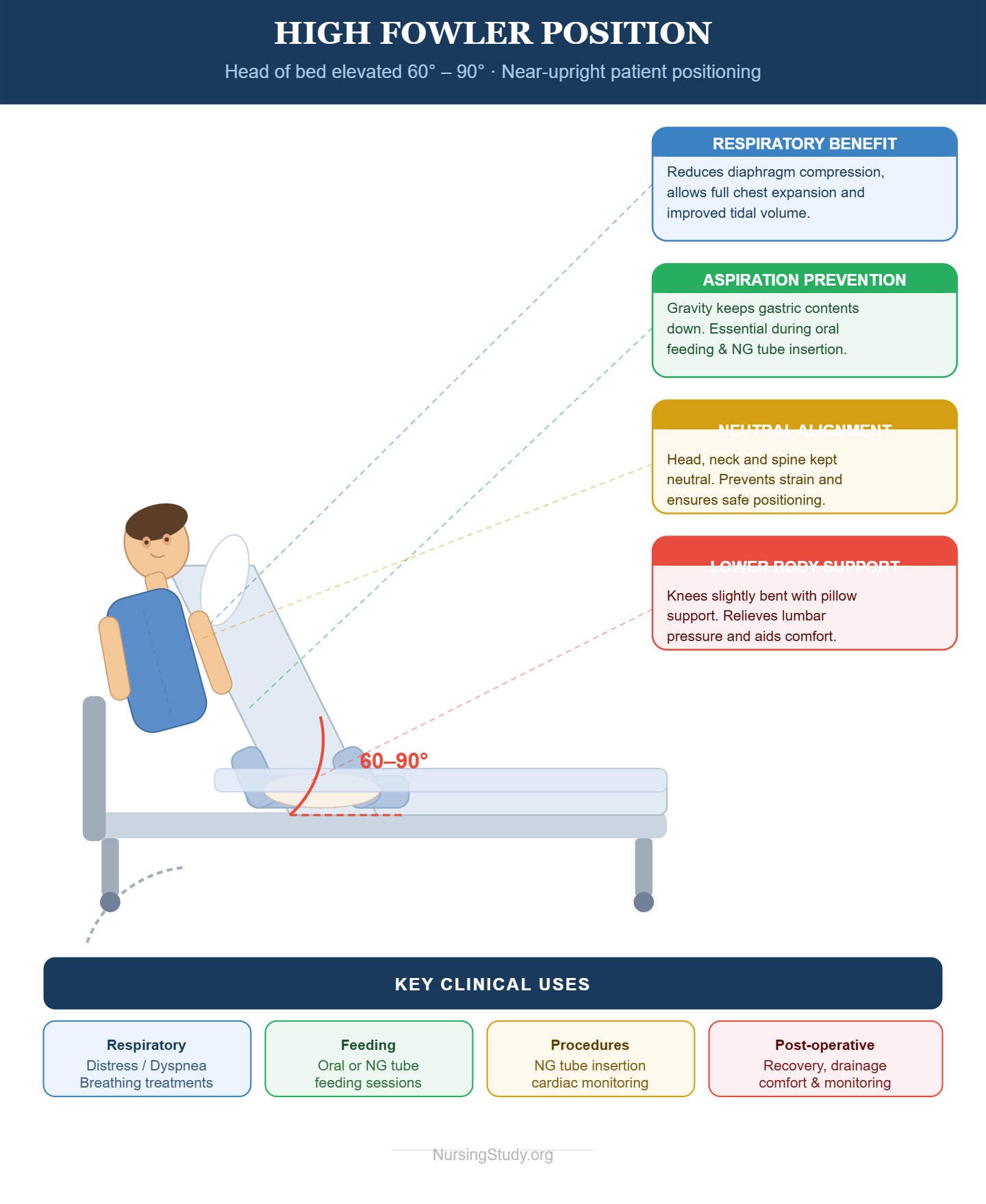
At its core, the High Fowler Position refers to a body position in which the head of the bed is elevated to approximately 60 to 90 degrees, creating an upright position that supports the upper body. This positioning approach is especially important in patients with respiratory compromise, as it promotes improved breathing and enhances oxygenation. By facilitating lung expansion and optimizing diaphragm movement, the High Fowler Position becomes an essential strategy in managing patients with respiratory distress, difficulty breathing, and conditions such as respiratory distress syndrome.
The importance of this position can be better understood by examining how positioning affects physiological processes. The High Fowler Position:
- Enhances respiratory efficiency
- Gravity pulls the diaphragm downward, allowing better chest expansion
- Increased lung expansion leads to improved oxygenation
- It is particularly beneficial for patients with respiratory conditions requiring breathing treatments
- Reduces the risk of aspiration
- The upright position helps prevent aspiration during feeding or procedures
- It is commonly used for patients with a nasogastric tube to minimize aspiration during tube feeding
- Promotes effective drainage
- Supports dependent drainage in certain abdominal and respiratory conditions
- Facilitates the movement of secretions away from the airway
- Improves patient comfort and safety
- Provides a comfortable sitting position for patients who cannot tolerate lying flat
- Helps reduce pressure on certain areas compared to prolonged supine position
In addition to respiratory care, the High Fowler Position is also applied in a variety of clinical scenarios, including abdominal conditions, post-surgical procedures, and interventions requiring precise positioning of the upper body. The position is often used when the bed is elevated to support both therapeutic goals and patient comfort, making it one of the most versatile patient positions in healthcare.
A clear understanding of Fowler’s position and its variations is essential for appropriate clinical application. These variations include:
- High Fowler Position (60 to 90 degrees)
- Semi-Fowler position (30 to 45 degrees)
- Low Fowler position (15 to 30 degrees)
Each variation represents a different degree of head of the bed elevation and is selected based on the patient’s condition, tolerance, and clinical objectives. The ability to adjust between these positions ensures flexibility in care and allows healthcare providers to tailor positioning to specific patient needs.
Furthermore, the High Fowler Position must be considered in relation to other common positions such as the supine position, prone position, and lateral position. Each body position has distinct indications, advantages, and limitations, reinforcing the importance of proper patient positioning in achieving optimal outcomes.
This article provides a comprehensive and in-depth exploration of the High Fowler Position, focusing on its definition, clinical indications, procedural steps, physiological benefits, and safety considerations. It also examines its role in nursing procedures, including its use in respiratory care, abdominal management, and interventions such as nasogastric tube insertion. By integrating theoretical principles with practical applications, this discussion highlights how the High Fowler Position serves as a standard and essential approach in modern nursing care, supporting both patient safety and improved clinical outcomes.
Understanding High Fowler Position in Nursing Practice
The High Fowler Position is a foundational concept in patient positioning and represents one of the most frequently applied approaches in clinical care. Within the framework of fundamentals of nursing, positioning is recognized as a therapeutic intervention that directly affects respiratory efficiency, circulation, comfort, and overall patient outcomes. The High Fowler Position is not simply a routine adjustment of the bed; it is a deliberate and evidence-based patient position used to optimize physiological function and support clinical interventions.
In nursing practice, selecting the appropriate body position depends on the patient’s condition, treatment goals, and tolerance. The High Fowler Position is commonly used for patients with respiratory compromise, those requiring enhanced oxygenation, and individuals who cannot tolerate the supine position due to discomfort or difficulty breathing. Understanding its definition, variations, and distinguishing characteristics is essential for proper patient positioning and safe care delivery.
Definition of High Fowler Position and Its Role as a Patient Position
The High Fowler Position refers to a patient position in which the head of the bed is elevated to approximately 60 to 90 degrees, placing the patient in a near sitting position or upright position. In this position, the upper body is significantly elevated while the lower body remains supported on the bed, often with the legs of the patient slightly bent at the knees to maintain stability and comfort.
This position is defined by several key elements:
- Head of the bed elevated
The bed is elevated to a high angle, typically between 60 degrees and 90 degrees, allowing the patient to assume a semi-sitting position that promotes improved breathing. - Alignment of the upper body
The patient’s head, neck, and spine are maintained in a neutral position to prevent strain and ensure proper chest expansion. - Support of the lower body
The legs of the patient may be slightly bent or supported with pillows to reduce pressure on the lower back and enhance patient comfort. - Use in clinical care
The High Fowler Position is used for patients experiencing respiratory distress, undergoing breathing treatments, or requiring procedures such as nasogastric tube insertion. It is also a position used to help prevent aspiration, particularly during feeding.
As a patient position, the High Fowler Position plays a critical role in:
- Enhancing oxygenation by promoting lung expansion
- Supporting patients with respiratory distress syndrome or difficulty breathing
- Facilitating drainage and reducing aspiration risk
- Improving patient comfort, especially when lying flat in the supine position is not tolerated
For example, a patient with severe shortness of breath due to pneumonia may be placed in High Fowler Position to allow gravity to assist diaphragm movement and improve airflow, resulting in improved breathing and reduced work of breathing.
How High Fowler Differs from Semi-Fowler Position and Low Fowler
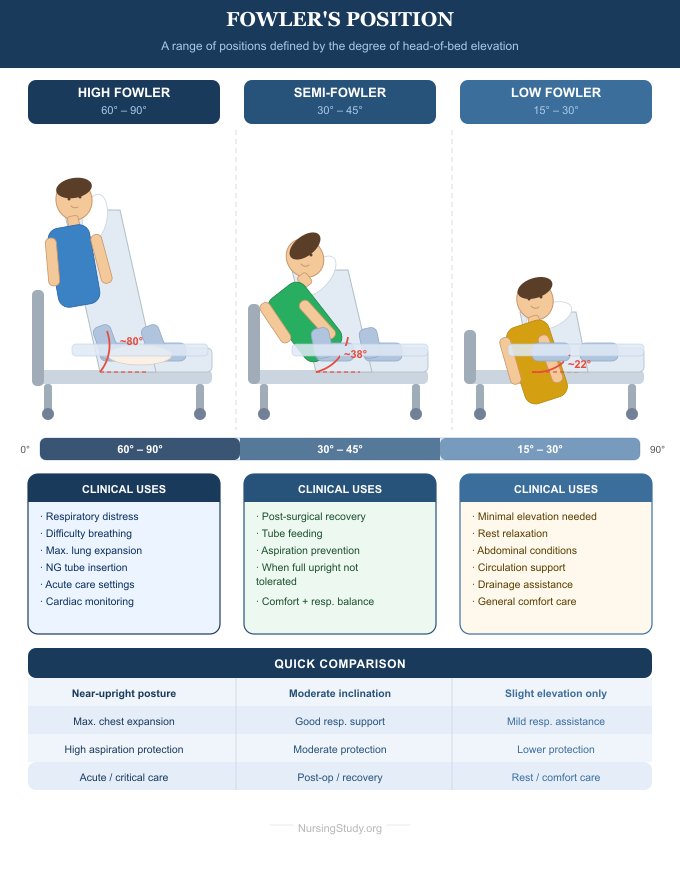
Fowler’s position is not a single fixed posture but a range of positions defined by the degree of elevation of the head of the bed. The three primary variations include High Fowler Position, semi-Fowler position, and low Fowler position. Understanding these differences is essential for selecting the most appropriate patient position based on clinical needs.
- High Fowler Position (60 to 90 degrees)
- The patient is positioned in a near upright position
- The head of the bed is elevated significantly
- Used for patients with respiratory distress, difficulty breathing, or those requiring maximum lung expansion
- Common in acute care settings for patients with respiratory compromise
- Semi-Fowler Position (30 to 45 degrees)
- The head of the bed is elevated to a moderate angle, typically 30 to 45 degrees
- Provides a balance between comfort and respiratory support
- Often used for patients recovering from surgery, during tube feeding, or when full upright positioning is not tolerated
- Helps prevent aspiration during feeding while maintaining patient comfort
- Low Fowler Position (15 to 30 degrees)
- The bed is elevated slightly, usually between 15 to 30 degrees
- Used for patients who require minimal elevation, such as during rest or certain abdominal conditions
- Provides comfort while maintaining slight elevation to support circulation and drainage
These variations allow flexibility in patient positioning. For instance, a patient recovering from abdominal surgery may initially be placed in low Fowler position to reduce strain on the abdominal area, then gradually transitioned to semi-Fowler position, and eventually to High Fowler Position as tolerated to improve respiratory function and promote drainage.
Compared to the supine position, where the patient lies flat, Fowler’s positions reduce pressure on the diaphragm and improve lung expansion. Similarly, while the lateral position or prone position may be used in specific cases, they do not provide the same degree of upper body elevation as the High Fowler Position.
Key Characteristics of an Upright Body Position in Fowler Position
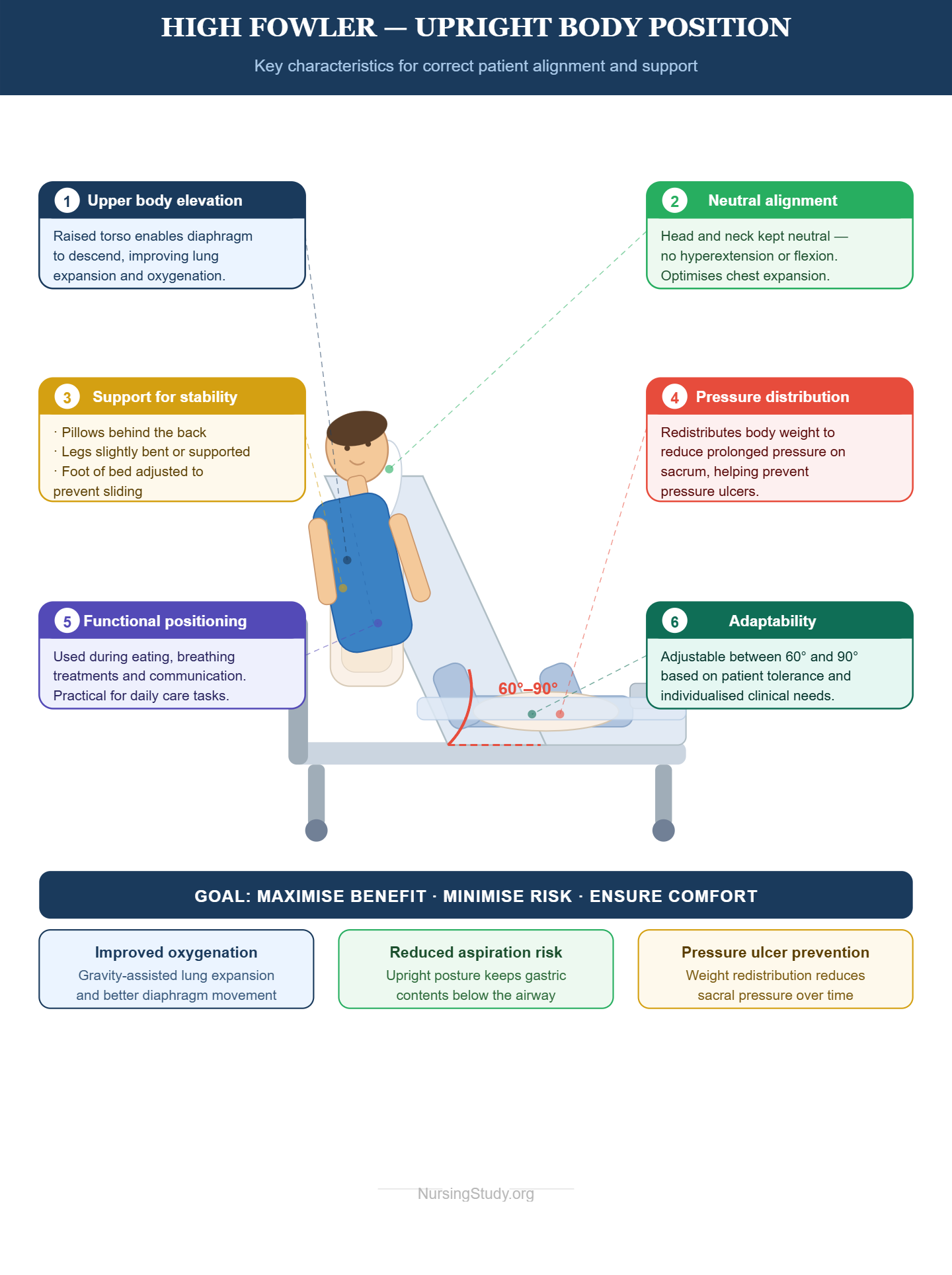
The effectiveness of the High Fowler Position depends on maintaining proper alignment and support. An upright position is not simply about raising the bed; it requires careful attention to positioning the patient correctly to maximize benefits and minimize risks such as pressure ulcers or discomfort.
The key characteristics include:
- Elevation of the upper body
The upper body is raised to create an upright position, which facilitates lung expansion and improves oxygenation. This elevation allows gravity to assist in respiratory function by enabling the diaphragm to move downward more effectively. - Neutral alignment
The patient’s head and neck should remain in a neutral position, avoiding hyperextension or flexion. Proper alignment ensures optimal chest expansion and reduces strain. - Support for stability
- Pillows may be placed behind the back to maintain posture
- The legs of the patient are often slightly bent or supported to prevent sliding
- The foot of the bed may be adjusted to enhance stability
- Distribution of pressure
Proper patient positioning helps prevent pressure ulcers by redistributing weight and reducing prolonged pressure on specific areas such as the sacrum. - Functional positioning
The High Fowler Position is often used during activities such as eating, breathing treatments, and communication, making it a practical and functional patient position. - Adaptability
The position can be adjusted between 60 to 90 degrees depending on patient tolerance and clinical needs, ensuring individualized care.
For example, in a patient receiving oxygen therapy for respiratory distress, placing them in High Fowler Position with the head of the bed elevated and ensuring proper support of the upper body can significantly improve breathing efficiency. Similarly, during nasogastric tube feeding, maintaining this upright position helps prevent aspiration and promotes safe delivery of nutrition.
Clinical Indications and When High Fowler Position Is Used
The selection of an appropriate patient position is a critical clinical decision that directly influences respiratory function, circulation, and overall patient outcomes. Within the scope of fundamentals of nursing, the High Fowler Position is widely recognized as a position used in situations where elevation of the upper body is necessary to support physiological function and therapeutic goals. This position is commonly used across acute care, surgical units, and long-term care settings because of its versatility and effectiveness.
The High Fowler Position is particularly valuable in conditions where gravity can be used to improve breathing, facilitate drainage, and enhance patient comfort. It is often selected when the patient cannot tolerate a flat body position such as the supine position or when improved breathing is a priority. The position is also used to support procedures, prevent complications such as aspiration, and optimize outcomes in patients with respiratory and abdominal conditions.
Key clinical indications where this position is used include:
- Patients with respiratory compromise requiring improved oxygenation
- Individuals experiencing difficulty breathing or respiratory distress
- Patients undergoing abdominal or surgical procedures requiring drainage
- Situations where aspiration prevention is essential, such as during feeding
- Cases where an upright position enhances patient comfort and safety
Use of High Fowler Position for Respiratory Distress and Breathing Support
The High Fowler Position is most commonly associated with respiratory care and is considered one of the most effective patient positions for managing respiratory distress. In patients with respiratory compromise, positioning the patient correctly can significantly reduce the work of breathing and improve oxygenation.
This position is useful in respiratory care because:
- Improved diaphragm movement
When the head of the bed is elevated to 60 to 90 degrees, gravity pulls the diaphragm downward. This reduces pressure from abdominal organs and allows the diaphragm to contract more efficiently, which is essential for effective ventilation. - Enhanced lung expansion
The upright position promotes greater chest expansion, allowing the lungs to inflate more fully. This leads to improved oxygenation and is especially beneficial in patients with respiratory distress syndrome or conditions such as pneumonia. - Reduction in airway resistance
In patients with difficulty breathing, the High Fowler Position helps open the airways, making breathing easier and more efficient. - Support during breathing treatments
The position is often used during breathing treatments, such as oxygen therapy or nebulization, as it maximizes lung expansion and medication delivery. - Improved comfort in respiratory patients
Patients with respiratory distress often instinctively prefer a sitting position or semi-sitting position because it reduces the sensation of breathlessness.
Clinical example:
A patient with acute respiratory distress due to chronic obstructive pulmonary disease (COPD) may be placed in High Fowler Position with the head of the bed elevated. This positioning a patient strategy helps improve breathing, enhances oxygenation, and reduces anxiety associated with breathlessness.
Application in Abdominal Conditions and Post-Surgical Drainage
Beyond respiratory care, the High Fowler Position is also used in the management of abdominal conditions and post-surgical recovery. The position helps facilitate drainage and reduces pressure on the abdominal region, making it particularly beneficial after surgical procedures.
The position is also used in abdominal care for the following reasons:
- Promotion of dependent drainage
The upright position allows gravity to assist in dependent drainage of fluids, which is important in patients with abdominal infections or after surgical procedures involving drainage systems. - Reduction of abdominal pressure
Elevating the upper body decreases pressure on the abdominal organs, which can help reduce pain and prevent complications following surgery. - Prevention of aspiration during feeding
The High Fowler Position helps prevent aspiration during tube feeding, especially in patients with a nasogastric tube. By maintaining the head of the bed elevated, the risk of gastric contents moving upward is minimized. - Support for gastrointestinal function
The position facilitates the movement of contents through the gastrointestinal tract and may improve comfort in patients experiencing bloating or discomfort.
Clinical example:
A patient recovering from abdominal surgery with a drainage tube may be placed in High Fowler Position to promote effective drainage and reduce the risk of fluid accumulation. Similarly, during nasogastric tube feeding, this patient position is commonly used to prevent aspiration and ensure safe delivery of nutrition.
Situations Where This Patient Position Is Preferred Over Supine Position or Lateral Position
Choosing between different patient positions—such as the supine position, lateral position, or prone position—depends on the patient’s condition and treatment goals. The High Fowler Position is preferred in situations where elevation of the upper body provides clear physiological and clinical advantages.
This position is often used instead of the supine position because:
- Improved breathing compared to supine position
In the supine position, the abdominal organs push against the diaphragm, limiting lung expansion. In contrast, the High Fowler Position reduces this pressure, allowing for improved breathing and oxygenation. - Reduced risk of aspiration
Lying flat increases the risk of aspiration, especially during feeding or in patients with impaired swallowing. The upright position helps prevent aspiration by using gravity to keep gastric contents down. - Enhanced patient comfort
Many patients find the supine position uncomfortable, particularly those with respiratory conditions. The High Fowler Position provides a more natural sitting position that enhances patient comfort.
Compared to the lateral position or side-lying position, the High Fowler Position is preferred when:
- Maximum lung expansion is required
While the lateral position may be useful for pressure redistribution or specific conditions, it does not provide the same degree of chest expansion as an upright position. - Procedural support is needed
Certain procedures, such as nasogastric tube insertion or breathing treatments, require the patient to be in a sitting position for optimal effectiveness. - Monitoring and communication are important
The High Fowler Position allows better interaction with the patient and easier assessment of respiratory status.
However, it is important to note that the High Fowler Position is not always the best choice. For example, the prone position may be preferred in certain cases of severe respiratory distress syndrome to improve oxygenation through different mechanisms, while the lateral position may be used to prevent pressure ulcers or promote comfort in immobile patients.
Step-by-Step Guide to Positioning a Patient in High Fowler Position
Proper patient positioning is a core competency in clinical nursing practice and is emphasized within fundamentals of nursing as a skill that directly impacts safety, comfort, and physiological function. The High Fowler Position is a commonly used patient position in which accurate technique is essential to ensure therapeutic effectiveness and prevent complications such as pressure ulcers, sliding, or impaired circulation. Positioning a patient correctly requires not only mechanical adjustment of the bed but also clinical judgment, patient assessment, and continuous monitoring.
In practice, positioning the patient in High Fowler Position is guided by four key stages: preparation, elevation, alignment, and adjustment. Each stage ensures that the body position supports respiratory function, promotes comfort, and maintains safety.
Preparing the Patient and Bed for Safe Positioning
Before initiating the High Fowler Position, preparation is essential to ensure safety, prevent injury, and enhance patient comfort. This stage involves both patient assessment and environmental setup.
- Assess the patient’s condition
- Evaluate respiratory status, level of consciousness, and ability to tolerate upright positioning
- Identify patients with respiratory distress, difficulty breathing, or post-surgical needs who may benefit from this position
- Explain the procedure to the patient
- Communication helps reduce anxiety and promotes cooperation
- Example: A patient experiencing respiratory distress may be reassured that elevating the head of the bed will help improve breathing
- Ensure bed safety and functionality
- Lock the bed wheels to prevent movement
- Check that the head of the bed can be safely elevated to 60–90 degrees
- Remove unnecessary equipment or obstructions
- Gather support materials
- Pillows for head, back, and legs of the patient
- Bed rails if needed for safety
- Oxygen support if prescribed for respiratory patients
At this stage, proper preparation ensures that the positioning a patient process is safe and efficient, reducing the risk of complications during movement.
Positioning a Patient at 60–90 Degrees with Proper Body Alignment
The defining feature of the High Fowler Position is the elevation of the head of the bed to approximately 60 to 90 degrees, creating an upright position that supports both respiratory and physiological function.
- Gradual elevation of the head of the bed
- Raise the bed slowly to allow the patient to adjust
- Monitor for signs of dizziness or discomfort
- Ensure the patient remains stable during elevation
- Achieve correct body alignment
- Head, neck, and spine should remain in a neutral position
- Avoid excessive flexion or extension of the neck
- The upper body should remain aligned to promote optimal chest expansion
- Maintain symmetry of the body position
- Ensure shoulders and hips are aligned
- Prevent lateral leaning that may cause discomfort or pressure injury
- Support respiratory function
- The upright position allows gravity to pull the diaphragm downward
- This improves lung expansion and enhances oxygenation, especially in patients with respiratory distress syndrome or difficulty breathing
Clinical example:
A patient with pneumonia experiencing respiratory distress may be positioned at 80 degrees in High Fowler Position to improve breathing efficiency and reduce the work of respiration.
Supporting the Head, Back, and Legs for Comfort and Stability
Proper support is essential to maintain the High Fowler Position safely and comfortably over time. Without adequate support, patients may slide, experience discomfort, or develop pressure injuries.
- Head and neck support
- Use pillows to maintain neutral alignment
- Prevent hyperextension or forward flexion of the neck
- Ensure airway remains open for optimal respiratory function
- Back support
- Place pillows behind the upper back to maintain upright posture
- This reduces strain on spinal muscles and improves tolerance of the position
- It also helps maintain consistent chest expansion for improved oxygenation
- Support for the legs of the patient
- Legs may be slightly bent at the knees to prevent sliding
- Use pillows under the knees if necessary to reduce pressure on the lower back
- This improves comfort and prevents strain during prolonged positioning
- Pressure redistribution
- Regular assessment is needed to prevent pressure ulcers, especially in immobile patients
- Repositioning or micro-adjustments may be required in long-term care settings
This supportive approach ensures that the High Fowler Position is not only effective but also sustainable for patients requiring prolonged upright positioning.
Adjusting Between High Fowler, Semi-Fowler, and Low Fowler Positions
In clinical practice, patient positioning is not static. The ability to adjust between High Fowler Position, semi-Fowler position, and low Fowler position allows healthcare providers to tailor care based on patient condition, tolerance, and therapeutic goals.
- High Fowler Position (60–90 degrees)
- Used for severe respiratory distress or difficulty breathing
- Promotes maximum lung expansion and oxygenation
- Common in acute care and emergency settings
- Semi-Fowler position (30–45 degrees)
- Often used for patients who cannot tolerate full upright positioning
- Provides moderate elevation for improved comfort and breathing
- Frequently used during feeding or recovery phases
- Low Fowler position (15–30 degrees)
- Used when minimal elevation is required
- Suitable for rest periods or patients needing slight head of the bed elevation
- Often used to maintain comfort while still supporting mild drainage or respiratory function
- Clinical decision-making in adjustment
- Transitioning between positions depends on patient tolerance
- For example, a post-operative patient may begin in low Fowler position, progress to semi-Fowler, and eventually tolerate High Fowler Position as recovery improves
- Safety considerations during adjustment
- Always monitor for dizziness, hypotension, or respiratory changes
- Ensure gradual transitions to prevent discomfort or instability
Physiological Benefits of High Fowler Position
The High Fowler Position is a clinically significant patient position that produces measurable physiological changes, particularly in respiratory mechanics, oxygen delivery, and gastrointestinal function. Within the context of fundamentals of nursing, understanding the physiological effects of positioning is essential because body position directly influences ventilation, perfusion, comfort, and safety outcomes. The High Fowler Position is widely used because it leverages gravity and anatomical alignment to optimize respiratory efficiency while also supporting gastrointestinal and abdominal processes.
Unlike neutral or flat body positions such as the supine position, the High Fowler Position creates an upright position that modifies pressure distribution within the thoracic and abdominal cavities. This has direct implications for patients experiencing respiratory distress, difficulty breathing, or requiring improved oxygenation.
How High Fowler Position Improves Respiratory Function and Oxygenation
One of the most important physiological benefits of the High Fowler Position is its ability to significantly improve respiratory function and oxygenation. This is particularly relevant for patients with respiratory distress syndrome, pneumonia, chronic obstructive pulmonary disease, or any condition that impairs ventilation.
The mechanisms include:
- Improved oxygenation through increased ventilation efficiency
In the High Fowler Position, the head of the bed is elevated to approximately 60 to 90 degrees, allowing the lungs to expand more fully. This improves ventilation-perfusion matching and increases oxygenation levels in the blood. - Reduced work of breathing
Patients with difficulty breathing often experience reduced respiratory effort in this position because the chest wall is less restricted compared to the supine position. - Enhanced chest expansion
The upright position allows the rib cage to move more freely, increasing tidal volume and improving overall lung expansion. - Improved response to breathing treatments
Patients receiving oxygen therapy or nebulized medications often respond better when positioned upright, as airflow distribution is optimized.
Clinical example:
A patient admitted with acute respiratory distress may exhibit low oxygen saturation while lying flat. When repositioned into High Fowler Position, oxygen saturation often improves due to enhanced lung expansion and better airflow distribution.
Effects of Upright Position on Diaphragm Movement and Lung Expansion
The diaphragm plays a central role in respiration, and its movement is significantly influenced by body position. The High Fowler Position enhances diaphragmatic efficiency through gravitational and anatomical changes.
Key physiological effects include:
- Gravity-assisted diaphragm descent
In the upright position, gravity pulls the abdominal organs downward, reducing upward pressure on the diaphragm. This allows the diaphragm to contract more effectively during inspiration. - Increased lung volume capacity
With reduced abdominal compression, the lungs are able to expand more fully, increasing functional residual capacity and tidal volume. - Improved ventilation distribution
Airflow is better distributed across lung fields, particularly in the lower lobes, which are often under-ventilated in the supine position. - Reduced respiratory muscle fatigue
Because the diaphragm operates more efficiently, accessory respiratory muscles are less strained, which is especially important in patients with chronic respiratory disease.
For example, a patient with chronic obstructive pulmonary disease experiencing fatigue during breathing may find significant relief when placed in High Fowler Position, as diaphragm movement becomes less restricted and breathing becomes more efficient.
Impact on Aspiration Prevention and Gastrointestinal Drainage
Another critical physiological advantage of the High Fowler Position is its role in preventing aspiration and supporting gastrointestinal function. This is particularly important in patients receiving enteral feeding or those with impaired swallowing reflexes.
The benefits include:
- Reduction of aspiration risk
In the upright position, gravity helps keep gastric contents in the stomach, reducing the likelihood of regurgitation and aspiration into the lungs. This is especially important during nasogastric tube feeding. - Improved gastric emptying and digestion
The upright position facilitates the natural movement of gastric contents through the digestive tract, promoting more efficient digestion. - Enhanced dependent drainage
In patients with abdominal or surgical drains, the High Fowler Position supports gravitational drainage, reducing fluid accumulation and promoting healing. - Decreased intra-abdominal pressure
Elevation of the upper body reduces pressure on abdominal organs, which can improve comfort and reduce postoperative complications.
Clinical example:
A patient receiving enteral feeding through a nasogastric tube is placed in High Fowler Position to prevent aspiration during feeding. This patient position ensures that gastric contents remain in the stomach and reduces the risk of aspiration pneumonia.
Comparison of Fowler Positions and Other Patient Positions
In clinical nursing practice, patient positioning is a deliberate intervention that influences respiratory efficiency, circulation, comfort, and overall outcomes. Within fundamentals of nursing, understanding how different body positions compare is essential for selecting the most appropriate position based on patient condition and clinical goals. The High Fowler Position is often contrasted with other common positions such as semi-Fowler position, supine position, prone position, and lateral position to determine the most effective approach for improving oxygenation, reducing complications, and enhancing patient comfort.
Each position serves a distinct purpose, and choosing the correct one depends on factors such as respiratory status, level of consciousness, surgical condition, and risk of aspiration.
High Fowler vs Semi-Fowler Position in Clinical Practice
The High Fowler Position and semi-Fowler position are both variations of Fowler’s position, but they differ primarily in the degree of head of the bed elevation and their physiological impact.
High Fowler Position (60–90 degrees)
- The upper body is positioned in a near upright position
- Provides maximum elevation of the head of the bed
- Commonly used for patients with severe respiratory distress or difficulty breathing
- Promotes maximum lung expansion and improved oxygenation
- Frequently used during breathing treatments and when managing respiratory distress syndrome
Semi-Fowler position (30–45 degrees)
- The head of the bed is moderately elevated
- Provides partial support for respiratory function and comfort
- Commonly used in post-operative care and during feeding
- Reduces but does not eliminate the risk of aspiration
Key Clinical Differences
- Respiratory support
- High Fowler Position offers superior respiratory expansion compared to semi-Fowler position
- Patient tolerance
- Semi-Fowler position is often better tolerated for long periods
- Use cases
- High Fowler Position is preferred in acute respiratory distress
- Semi-Fowler position is used for stable or recovering patients
Clinical example:
A patient with acute shortness of breath may require High Fowler Position, while a post-operative patient recovering from abdominal surgery may be maintained in semi-Fowler position for comfort and gradual mobilization.
High Fowler vs Supine Position in Patient Care
The supine position, where the patient lies flat on their back, is one of the most basic body positions in healthcare. However, it differs significantly from the High Fowler Position in its physiological effects.
Supine position
- Patient lies flat with no elevation of the head of the bed
- Commonly used for examination, surgery, or rest
- Can increase pressure on the diaphragm
- May reduce lung expansion in some patients
High Fowler Position
- Upper body elevated to 60–90 degrees
- Promotes active lung expansion and improved oxygenation
- Reduces abdominal pressure on the diaphragm
- Decreases risk of aspiration
Key Clinical Differences
- Respiratory efficiency
- High Fowler Position significantly improves breathing compared to supine position
- Aspiration risk
- Supine position increases aspiration risk, especially during feeding
- Comfort in respiratory patients
- Patients with difficulty breathing often cannot tolerate supine position and prefer upright positioning
Clinical example:
A patient with pneumonia may experience worsening respiratory distress when lying supine but shows immediate improvement when repositioned into High Fowler Position due to enhanced lung expansion.
When Prone Position or Lateral Position May Be More Appropriate
Although the High Fowler Position is highly effective in many clinical scenarios, it is not universally the best option. Other positions such as prone position and lateral position may be more appropriate depending on the patient’s condition.
Prone position
- Patient lies on the abdomen
- Often used in severe respiratory distress syndrome to improve oxygenation through posterior lung recruitment
- Can improve ventilation in patients with acute respiratory failure
- Requires close monitoring due to pressure injury risk and airway management challenges
Lateral position
- Patient lies on one side (left or right side-lying position)
- Used to promote drainage, reduce pressure on bony prominences, and improve comfort
- Common in patients with neurological conditions or those at risk of pressure ulcers
- Can assist in secretion drainage from one lung
When these positions may be preferred over High Fowler Position
- Severe respiratory failure (prone position)
- In some critical cases, prone positioning improves oxygenation more effectively than upright positioning
- Pressure redistribution needs (lateral position)
- Patients at risk of pressure ulcers may require side-lying position to relieve pressure points
- Neurological or comfort considerations
- Lateral position may be preferred for patients who cannot tolerate prolonged upright positioning
Clinical example:
A critically ill patient with severe acute respiratory distress syndrome may be placed in prone position in the intensive care unit, while a bedridden patient at risk of pressure ulcers may be regularly repositioned using lateral position rather than High Fowler Position.
Risks, Contraindications, and Safety Considerations
While the High Fowler Position is widely used in clinical care due to its strong benefits for respiratory function, oxygenation, and comfort, it is not without risks. In nursing practice guided by fundamentals of nursing, safe patient positioning requires careful assessment of potential complications, contraindications, and appropriate nursing interventions. The High Fowler Position, like all body positions, must be individualized based on patient condition, stability, and tolerance.
Although it is commonly used for patients with respiratory distress, difficulty breathing, or those requiring improved lung expansion, improper use or prolonged positioning can lead to adverse effects such as pressure injuries, instability, and musculoskeletal strain. Therefore, clinical judgment is essential when determining whether and how long a patient should remain in this patient position.
Potential Complications of High Fowler Position Including Pressure Injury and Instability
Despite its physiological benefits, the High Fowler Position may lead to several complications if not properly monitored or supported.
1. Pressure injury development
- Prolonged elevation of the upper body increases pressure on areas such as the sacrum and coccyx
- Reduced movement in critically ill patients increases risk of pressure ulcers
- Friction and shear may occur as the patient slides downward in bed
For example, a patient who remains in High Fowler Position for extended periods without repositioning may develop pressure injuries due to continuous pressure on the lower back and buttocks.
2. Patient instability and sliding
- Gravity may cause the patient to slide toward the foot of the bed
- This creates shear forces that can damage skin and underlying tissue
- It may also lead to discomfort and poor alignment of the body position
This is especially common in weak or immobile patients who cannot adjust themselves independently.
3. Musculoskeletal strain and fatigue
- Prolonged upright positioning may cause neck, shoulder, or back discomfort
- Patients with poor muscle tone may fatigue quickly in this position
- Improper support of the upper body may worsen discomfort
4. Hemodynamic changes
- Sudden elevation of the head of the bed may cause dizziness or orthostatic hypotension in some patients
- This is particularly relevant in elderly or volume-depleted patients
Contraindications and When This Position Should Be Avoided
Although the High Fowler Position is beneficial in many cases, there are clinical situations where it may be contraindicated or must be used with caution.
1. Hemodynamic instability
- Patients with severe hypotension may not tolerate upright positioning
- Sudden elevation can worsen dizziness or reduce cerebral perfusion
2. Post-spinal or spinal injury precautions
- Patients with spinal instability may require strict alignment in a neutral position
- Excessive elevation may worsen spinal injury or pain
3. Severe trauma or shock
- Patients in shock may require supine position to optimize circulation
- Upright positioning may compromise blood flow to vital organs
4. Certain neurological conditions
- Some patients with increased intracranial pressure may require specific head positioning strategies rather than full upright positioning
- Clinical judgment is essential in balancing respiratory benefits with neurological safety
5. Intolerance due to respiratory fatigue
- In rare cases, patients with extreme fatigue may not sustain High Fowler Position for long periods
- These patients may require gradual transition from low Fowler position or semi-Fowler position instead
Nursing Interventions to Maintain Safety and Patient Comfort
To maximize the benefits of the High Fowler Position while minimizing risks, nurses must implement targeted interventions focused on safety, comfort, and continuous assessment.
1. Proper positioning and alignment
- Ensure correct body position with head of the bed elevated between 60 to 90 degrees
- Maintain neutral alignment of the head, neck, and spine
- Prevent sliding by adjusting bed settings appropriately
2. Use of supportive devices
- Place pillows under the head, back, and legs of the patient for stability
- Support the lower back to reduce shear force
- Use pressure-relieving mattresses when necessary
3. Regular repositioning
- Reposition the patient at scheduled intervals to prevent pressure injuries
- Alternate between High Fowler Position, semi-Fowler position, and low Fowler position depending on tolerance
- Inspect skin for early signs of breakdown
4. Ongoing respiratory and cardiovascular monitoring
- Monitor oxygen saturation in patients with respiratory distress
- Observe for signs of fatigue, dizziness, or difficulty maintaining upright posture
- Adjust position if respiratory status worsens or improves
5. Patient education and reassurance
- Explain the purpose of the High Fowler Position to improve cooperation
- Encourage patients to report discomfort early
- Provide reassurance to reduce anxiety, especially in patients experiencing difficulty breathing
6. Individualized care planning
- Adjust positioning based on patient condition, diagnosis, and tolerance
- For example, a post-operative patient may initially tolerate only semi-Fowler position before progressing to High Fowler Position as recovery improves
Nursing Applications and Procedures Using High Fowler Position
The High Fowler Position is not only a foundational patient position but also a functional clinical tool used across multiple nursing procedures. Within fundamentals of nursing, positioning is recognized as a therapeutic intervention that directly supports diagnostic accuracy, procedural success, and patient safety. The High Fowler Position is particularly valuable because it optimizes upper body alignment, enhances respiratory mechanics, and reduces complications during common nursing procedures.
In clinical practice, this patient position is frequently applied during airway-related care, gastrointestinal procedures, and interventions that require optimal visibility or gravitational assistance. Its effectiveness lies in its ability to improve oxygenation, support lung expansion, and ensure safer procedural conditions.
Use During Nasogastric Tube Insertion and Feeding
One of the most important applications of the High Fowler Position is during nasogastric tube insertion and feeding. This procedure requires precise positioning to ensure correct tube placement, patient comfort, and prevention of complications such as aspiration.
1. Facilitating safe insertion
- The High Fowler Position allows the head of the bed to be elevated to 60–90 degrees
- This upright position aligns the upper airway and esophagus, making insertion easier and more accurate
- It improves visualization and reduces resistance during tube advancement
2. Reducing aspiration risk
- Aspiration is a major concern during feeding or tube insertion
- The upright position uses gravity to keep gastric contents in the stomach
- This significantly reduces the risk of aspiration pneumonia
3. Improving patient tolerance
- Patients in respiratory distress or with difficulty breathing tolerate the procedure better when sitting upright
- Anxiety and gag reflex may be reduced when the patient feels more in control in an upright position
Clinical example
A patient requiring enteral feeding via a nasogastric tube is placed in High Fowler Position before feeding begins. This ensures that the feeding formula moves into the stomach efficiently while minimizing the risk of regurgitation and aspiration.
Positioning for Breathing Treatments and Respiratory Procedures
The High Fowler Position is widely used during respiratory care because it optimizes lung mechanics and enhances the effectiveness of breathing treatments.
1. Enhanced oxygenation during therapy
- The upright position improves lung expansion and oxygen exchange
- Patients receiving oxygen therapy benefit from improved airflow distribution
2. Support for nebulization and inhalation therapy
- Medications delivered via nebulizers or inhalers are more effectively distributed in the lungs when the patient is upright
- This improves drug deposition in the lower airways
3. Relief in respiratory distress
- Patients experiencing respiratory distress or difficulty breathing often instinctively assume a sitting position
- High Fowler Position reduces the work of breathing and improves comfort
4. Improved chest expansion
- Elevation of the head of the bed allows the rib cage to expand more freely
- This is particularly beneficial in patients with respiratory distress syndrome or restrictive lung conditions
Clinical example
A patient with acute exacerbation of asthma is placed in High Fowler Position during nebulizer treatment. The upright posture improves airflow, enhances medication delivery, and reduces the sensation of breathlessness.
Role in Promoting Effective Drainage and Reducing Aspiration Risk
Another critical application of the High Fowler Position is its role in promoting drainage and preventing aspiration, particularly in patients with gastrointestinal or post-surgical conditions.
1. Promotion of dependent drainage
- The upright position allows gravity to assist in fluid movement
- This is especially useful in patients with abdominal drainage systems or postoperative fluid accumulation
2. Reduction of aspiration risk
- Patients receiving oral or enteral feeding are at high risk of aspiration if positioned incorrectly
- The High Fowler Position minimizes this risk by keeping gastric contents below the esophagus
3. Support for gastrointestinal function
- The position facilitates movement of gastric contents through the digestive tract
- It reduces abdominal discomfort and bloating in some patients
4. Post-surgical recovery support
- After abdominal or thoracic surgery, elevation of the head of the bed reduces pressure on surgical sites
- It also promotes better ventilation, reducing the risk of postoperative pulmonary complications
Clinical example
A post-operative abdominal surgery patient with a surgical drain is maintained in High Fowler Position to promote effective drainage of fluids and reduce the risk of fluid accumulation in the abdominal cavity.
High Fowler Position in Nursing Education and Clinical Practice
The High Fowler Position is a core skill in patient positioning that is consistently emphasized in fundamentals of nursing because it integrates anatomy, physiology, patient safety, and clinical decision-making. In both classroom instruction and bedside practice, it is not only taught as a mechanical skill but also as a critical intervention that influences respiratory function, oxygenation, and overall patient outcomes. Understanding how to apply the High Fowler Position correctly is essential for safe and effective nursing care across all clinical settings.
In clinical practice, this patient position is widely used for patients experiencing respiratory distress, difficulty breathing, or requiring improved lung expansion. In nursing education, it is introduced early because it forms the foundation for more advanced positioning techniques and reinforces principles of comfort, safety, and physiological support.
Teaching Positioning Techniques in Nursing School
In nursing education, teaching the High Fowler Position involves both theoretical instruction and hands-on demonstration. Students are trained to understand not only how to position a patient but also why the position is used and what physiological effects it produces.
1. Theoretical foundation
- Students learn how body position affects respiratory mechanics, oxygenation, and circulation
- Emphasis is placed on understanding how the head of the bed elevation (60–90 degrees) influences diaphragm movement and lung expansion
- The relationship between patient position and prevention of complications such as aspiration is introduced early
2. Practical demonstration
- In simulation labs, learners practice positioning a patient into High Fowler Position using hospital beds or mannequins
- They are taught how to safely adjust the bed, ensure proper alignment, and support the legs of the patient
- Instructors emphasize maintaining correct body position to avoid sliding and discomfort
3. Clinical reasoning development
- Students are encouraged to link patient conditions (e.g., respiratory distress syndrome, post-operative recovery) with appropriate positioning choices
- For example, a patient with difficulty breathing is identified as needing High Fowler Position to improve oxygenation
4. Assessment and feedback
- Educators evaluate accuracy in positioning a patient, including alignment, safety measures, and patient comfort
- Constructive feedback helps reinforce correct technique and clinical judgment
Common Mistakes When Positioning a Patient and How to Avoid Them
Despite its frequent use, errors in applying the High Fowler Position can compromise patient safety and reduce therapeutic effectiveness. Recognizing these mistakes is essential for improving clinical competence.
1. Incorrect head of bed elevation
- Mistake: Elevating the bed too low (below 60 degrees) or too high without support
- Consequence: Reduced lung expansion or patient instability
- Correction: Ensure proper elevation between 60–90 degrees depending on tolerance
2. Poor body alignment
- Mistake: Allowing the patient’s body to lean or twist
- Consequence: Musculoskeletal strain and reduced chest expansion
- Correction: Maintain neutral alignment of head, neck, and spine
3. Lack of support for the legs of the patient
- Mistake: Leaving lower limbs unsupported, causing sliding
- Consequence: Shear forces leading to pressure injuries
- Correction: Use pillows to slightly bend or support the legs for stability
4. Failure to monitor patient comfort
- Mistake: Not reassessing after positioning
- Consequence: Undetected discomfort, fatigue, or respiratory decline
- Correction: Continuously assess patient comfort and breathing status
5. Ignoring aspiration precautions
- Mistake: Positioning incorrectly during feeding or procedures
- Consequence: Increased risk of aspiration
- Correction: Always maintain High Fowler Position during feeding or nasogastric tube use
Practical Scenarios for Applying High Fowler Position in Patient Care
The High Fowler Position is widely applied in real clinical settings where it supports respiratory function, procedural safety, and patient comfort. Understanding practical scenarios helps translate theory into practice.
1. Respiratory distress management
A patient presenting with severe difficulty breathing due to pneumonia is placed in High Fowler Position. The elevation of the head of the bed improves lung expansion and reduces the work of breathing, leading to improved oxygenation.
2. Nasogastric tube feeding
A patient receiving enteral nutrition through a nasogastric tube is positioned in High Fowler Position before feeding begins. This reduces aspiration risk and ensures safe delivery of nutrition.
3. Post-operative abdominal care
A patient recovering from abdominal surgery is maintained in High Fowler Position to reduce pressure on the surgical site and promote effective drainage of fluids while supporting breathing.
4. Oxygen therapy administration
A patient requiring supplemental oxygen is positioned upright to maximize oxygenation and improve response to therapy. The High Fowler Position enhances chest expansion and gas exchange.
5. Patient comfort in chronic illness
A patient with chronic obstructive pulmonary disease may prefer the High Fowler Position for prolonged periods due to reduced respiratory effort and improved comfort compared to the supine position.
Conclusion
The High Fowler Position remains one of the most clinically significant and frequently applied patient positioning strategies in nursing practice. Its value lies in its ability to simultaneously support respiratory function, enhance oxygenation, promote patient comfort, and reduce the risk of complications such as aspiration and impaired ventilation. Within the broader scope of fundamentals of nursing, it demonstrates how proper body position is not merely a routine task but an intentional therapeutic intervention that directly influences patient outcomes.
Across diverse clinical settings, the High Fowler Position is consistently used for patients experiencing respiratory distress, difficulty breathing, or conditions requiring optimal lung expansion. By elevating the head of the bed to 60–90 degrees, the position improves diaphragm movement, enhances chest expansion, and supports more efficient oxygen exchange. It also plays a critical role in gastrointestinal care, particularly in reducing aspiration risk during feeding and promoting safe use of interventions such as nasogastric tube management.
However, its effectiveness depends on correct application, continuous assessment, and individualized care. Inappropriate positioning or prolonged use without support can lead to complications such as pressure injuries, instability, and patient discomfort. This highlights the importance of combining technical skill with clinical judgment when positioning a patient, ensuring that benefits are maximized while risks are minimized.
Ultimately, the High Fowler Position exemplifies the integration of anatomy, physiology, and patient-centered care in nursing practice. When applied correctly, it not only improves physiological function but also enhances safety, supports recovery, and contributes meaningfully to overall patient well-being in both acute and long-term care environments.
Frequently Asked Questions
What is the High Fowler’s position procedure?
The High Fowler’s position procedure is a nursing intervention where the head of the bed is elevated to 60–90 degrees, placing the patient in a near-sitting upright position. The procedure involves assessing the patient, raising the bed gradually, ensuring proper body alignment, and supporting the head, back, and legs of the patient with pillows to maintain comfort and stability. It is commonly used to improve breathing, enhance oxygenation, and reduce aspiration risk, especially in patients with respiratory distress or difficulty breathing.
What are the 4 types of position?
The four common basic patient positions in nursing include:
- Supine position (lying flat on the back)
- Prone position (lying on the abdomen)
- Lateral position (side-lying position)
- Fowler’s position (various upright positions including low, semi, and high Fowler)
What are the 9 patient positions?
The nine commonly recognized patient positions in clinical practice include:
- Supine position
- Prone position
- Lateral position (right or left side-lying position)
- Fowler’s position (low, semi, high Fowler position)
- Sims’ position
- Lithotomy position
- Trendelenburg position
- Reverse Trendelenburg position
- Knee-chest position
How do you properly position a patient in Fowler’s?
To properly position a patient in Fowler’s position:
- Assess the patient’s condition and ability to tolerate elevation
- Raise the head of the bed gradually to the required angle (low 15–30°, semi 30–45°, or high 60–90°)
- Ensure the patient’s head, neck, and spine are in neutral alignment
- Support the head, back, and knees with pillows for comfort and stability
- Keep the legs of the patient slightly flexed to prevent sliding
- Reassess the patient for comfort, breathing improvement, and signs of fatigue or distress
- Maintain safety measures such as locked bed wheels and proper bed positioning
