

Comprehensive Guide to Pneumonia Nursing Diagnoses: Create an Effective Pneumonia Nursing Care Plan and Intervention
Pneumonia is a significant respiratory infection that affects individuals across all age groups and can lead to severe complications if not properly managed. Understanding pneumonia requires more than recognizing common symptoms such as cough, fever, dyspnea, and sputum changes; it involves a thorough comprehension of its pathophysiology, types, and risk factors. Pneumonia may present as community-acquired pneumonia, hospital-acquired pneumonia, ventilator-associated pneumonia, bacterial pneumonia, viral pneumonia, aspiration pneumonia, or atypical pneumonia, each form having distinct causes, clinical manifestations, and nursing implications.
Central to effective care is the development of accurate pneumonia nursing diagnoses. These diagnoses serve as the foundation for targeted nursing interventions and comprehensive nursing care plans, ensuring that care addresses both immediate respiratory needs and potential complications. Nursing assessments should systematically evaluate lung function, airway patency, oxygenation, signs of respiratory distress, and the patient’s overall clinical status, while also considering factors that increase the risk of developing pneumonia, such as advanced age, chronic illness, immunosuppression, or recent hospitalization.
Interventions are guided by these nursing diagnoses and may include airway management, suctioning, oxygen therapy, pharmacologic treatment for bacterial pneumonia, and supportive measures such as positioning, hydration, pulmonary hygiene, and oral care to prevent aspiration. In patients with respiratory failure or ventilator-associated pneumonia, intensive care measures may be required to stabilize breathing and ensure adequate oxygenation. Continuous monitoring and evaluation allow for dynamic adjustments to the pneumonia nursing care plan, optimizing patient outcomes and reducing the risk of complications such as aspiration pneumonia, nosocomial pneumonia, or recurrent infections.
This comprehensive guide explores pneumonia nursing diagnoses, offering an in-depth discussion of assessment strategies, priority diagnoses, interventions, and the structured development of a pneumonia nursing care plan. By integrating evidence-based practices with a thorough understanding of the disease process, nursing care for pneumonia can be both effective and responsive, promoting recovery, preventing complications, and ensuring patient safety across diverse care settings.
Understanding Pneumonia in Nursing Practice
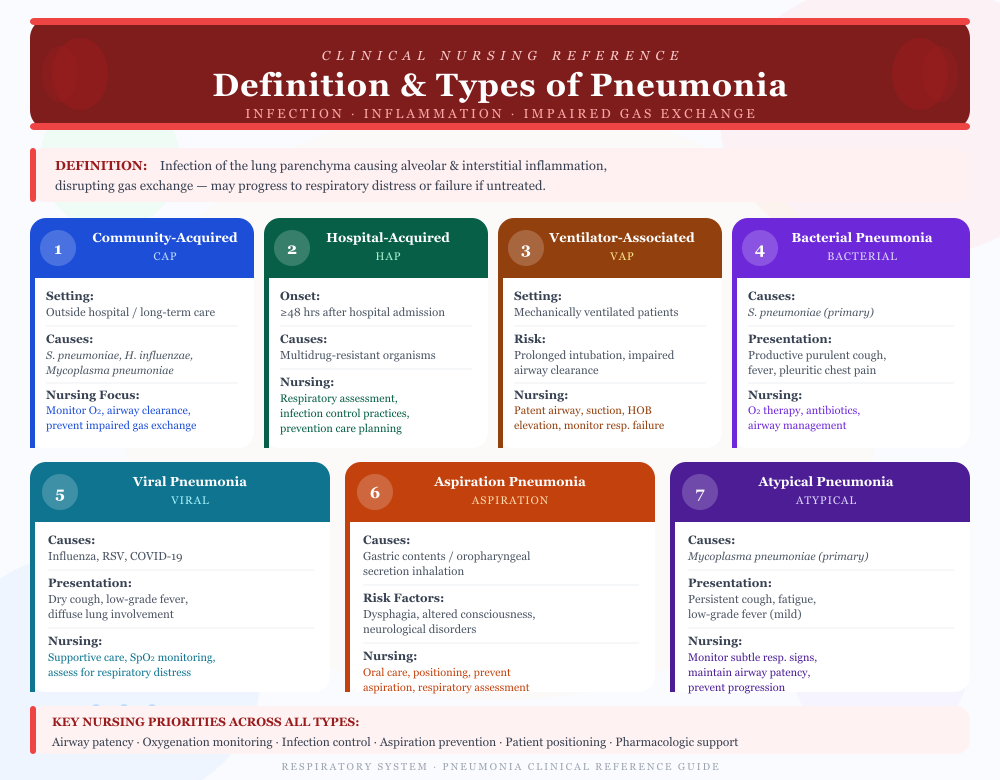
Definition and Types of Pneumonia
Pneumonia is an infection of the lung parenchyma that results in inflammation of the alveoli and interstitial tissue. It disrupts normal gas exchange and can progress to respiratory distress or respiratory failure if untreated. Pneumonia is classified based on causative organisms, clinical settings, and pathophysiology.
Types of pneumonia include:
- Community-Acquired Pneumonia (CAP)
- Occurs in patients outside hospital or long-term care settings.
- Common causes: Streptococcus pneumoniae, Haemophilus influenzae, Mycoplasma pneumoniae.
- Typical presentation: sudden onset of high fever, productive cough, pleuritic chest pain.
- Nursing focus: monitor oxygenation, support airway clearance, and implement nursing interventions to prevent complications such as impaired gas exchange.
- Hospital-Acquired Pneumonia (HAP)
- Develops ≥48 hours after hospital admission.
- Often caused by multidrug-resistant organisms.
- Nursing considerations: ensure respiratory assessment, implement infection control practices, and plan of care for preventing respiratory infection.
- Ventilator-Associated Pneumonia (VAP)
- Subtype of HAP occurring in mechanically ventilated patients.
- High risk due to prolonged intubation and impaired airway clearance.
- Nursing interventions: maintain patent airway, suction secretions, elevate head of bed to prevent aspiration, and monitor for respiratory failure.
- Bacterial Pneumonia
- Caused by bacteria such as S. pneumoniae.
- Clinical presentation: productive cough with purulent sputum, fever, pleuritic chest pain.
- Nursing care plan: oxygen therapy, pharmacologic treatment (antibiotics), and airway management.
- Viral Pneumonia
- Commonly caused by influenza viruses or respiratory syncytial virus.
- Usually presents with dry cough, low-grade fever, and diffuse lung involvement.
- Nursing interventions: supportive care, monitoring oxygen saturation, and assessing for respiratory distress.
- Aspiration Pneumonia
- Caused by inhalation of gastric contents or oropharyngeal secretions.
- Risk factors: dysphagia, altered consciousness, neurological disorders.
- Nursing priorities: risk for aspiration, oral care, positioning, and close respiratory assessment.
- Atypical Pneumonia
- Caused by organisms such as Mycoplasma pneumoniae.
- Presents with mild symptoms: persistent cough, fatigue, low-grade fever.
- Nursing focus: monitor subtle signs of respiratory infection, maintain airway patency, and prevent progression to severe pneumonia.
Example:
A 70-year-old patient admitted with fever, productive cough, and hypoxia is diagnosed with CAP due to S. pneumoniae. Nursing interventions include oxygen therapy, airway clearance techniques, and continuous monitoring to prevent respiratory failure.
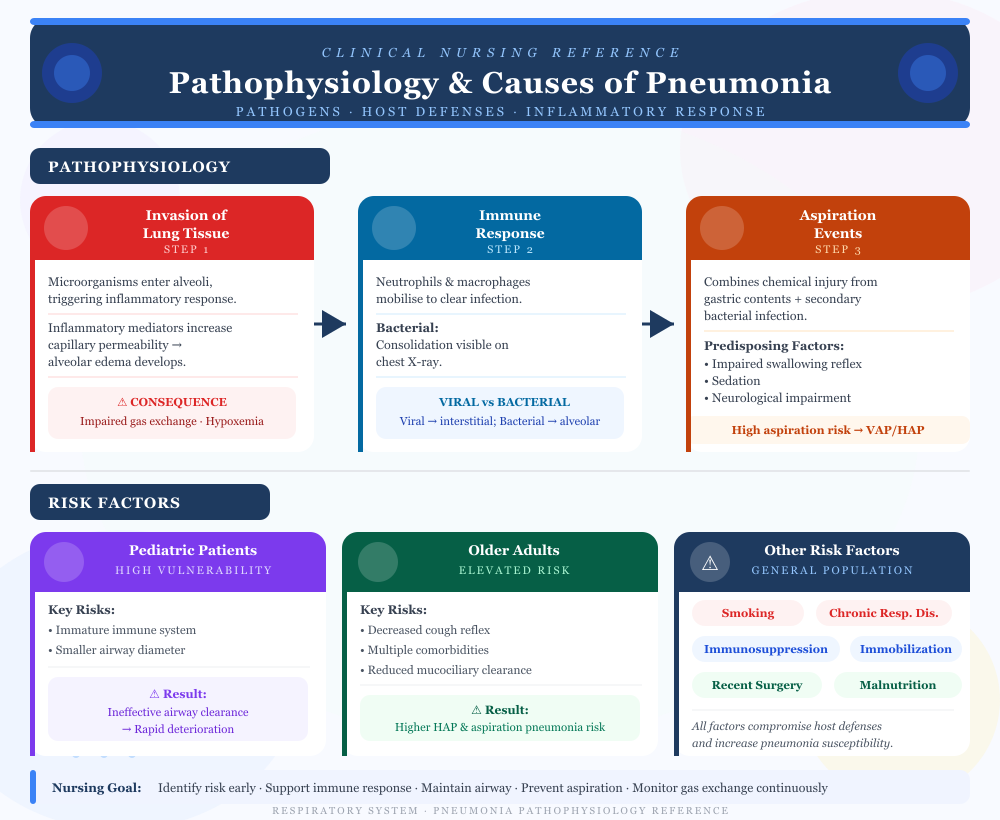
Pathophysiology and Causes of Pneumonia
The development of pneumonia involves complex interactions between pathogens, host defenses, and environmental factors:
- Invasion of Lung Tissue
- Microorganisms enter the alveoli, triggering an inflammatory response.
- Inflammatory mediators increase capillary permeability, leading to alveolar edema.
- Consequence: impaired gas exchange and hypoxemia.
- Immune Response
- Neutrophils and macrophages attempt to clear infection.
- In bacterial pneumonia, this can lead to consolidation visible on chest X-ray.
- Viral pneumonia often produces interstitial inflammation rather than alveolar consolidation.
- Aspiration Events
- Aspiration pneumonia combines chemical injury from gastric contents and secondary bacterial infection.
- Predisposing factors: impaired swallowing reflex, sedation, neurological impairment.
Risk Factors Across Populations:
- Pediatric patients: immature immune system, smaller airway diameter → ineffective airway clearance.
- Older adults: decreased cough reflex, comorbidities, and reduced mucociliary clearance → higher risk of hospital-acquired or aspiration pneumonia.
- Other risk factors: smoking, chronic respiratory disease, immunosuppression, immobilization, recent surgery.
Example:
A child with viral pneumonia due to respiratory syncytial virus presents with tachypnea, nasal flaring, and hypoxemia. Nursing interventions focus on maintaining a patent airway, monitoring oxygen saturation, and supportive care.
Clinical Presentation and Pneumonia Symptoms
The presentation of pneumonia varies with type and severity. Recognizing pneumonia symptoms is critical for timely intervention:
Common signs and symptoms:
- Respiratory: cough (productive or dry), dyspnea, tachypnea, use of accessory muscles.
- Systemic: fever, malaise, fatigue, chills.
- Sputum changes: purulent in bacterial pneumonia; scant in viral or atypical pneumonia.
- Oxygenation issues: cyanosis, restlessness, confusion (especially in older adults).
Atypical presentations:
- Older adults may lack fever but show lethargy or altered mental status.
- Pediatric patients may show subtle signs like poor feeding, irritability, or mild tachypnea.
Nursing assessment priorities:
- Perform lung auscultation to detect crackles, wheezes, or diminished breath sounds.
- Assess airway patency and monitor for ineffective airway clearance.
- Monitor oxygen saturation and observe for signs of respiratory distress.
- Evaluate cough characteristics and sputum production to differentiate bacterial, viral, or aspiration pneumonia.
Example:
A patient with aspiration pneumonia following a stroke may present with sudden cough during meals, low-grade fever, and crackles in the right lower lobe. Nursing interventions focus on oral care, head-of-bed elevation, and suctioning to maintain a patent airway.
Nursing Assessment for Patients with Pneumonia
Accurate nursing assessment is essential for identifying the severity of pneumonia, formulating precise pneumonia nursing diagnoses, and implementing targeted interventions. Nursing assessment involves evaluating respiratory function, monitoring oxygenation, performing diagnostic evaluations, and identifying risk factors and potential complications.
Focused Respiratory and Nursing Assessment
A thorough respiratory assessment forms the foundation for effective nursing care. Key components include:
- Lung Auscultation and Breath Sounds
- Assess for crackles (rales), wheezes, diminished, or absent breath sounds.
- Crackles may indicate fluid in alveoli from bacterial pneumonia, while wheezing may suggest airway constriction or reactive airway involvement.
- Diminished breath sounds in aspiration pneumonia may reflect localized lung collapse or consolidation.
- Respiratory Rate and Pattern
- Monitor for tachypnea or altered breathing patterns indicative of ineffective breathing pattern.
- Observe for use of accessory muscles or nasal flaring in pediatric patients and older adults.
- Oxygen Saturation and Oxygenation
- Continuous pulse oximetry is recommended to detect hypoxemia.
- Observe for cyanosis, restlessness, or changes in mental status as signs of impaired gas exchange.
- Airway Evaluation
- Ensure a patent airway, particularly in patients with impaired cough or altered consciousness.
- Evaluate the need for suctioning to manage secretions and prevent aspiration.
- Cough and Sputum Assessment
- Characterize the cough: productive or dry, onset, duration, and associated symptoms.
- Evaluate sputum for color, consistency, and odor; purulent sputum often indicates bacterial pneumonia, while scant or mucoid sputum may suggest viral or atypical pneumonia.
Example:
A patient with ventilator-associated pneumonia may demonstrate diminished breath sounds in the lower lobes, increased secretions, and oxygen saturation dropping to 88%. Nursing interventions include suctioning, monitoring oxygenation, and adjusting the nursing care plan for pneumonia to prevent respiratory failure.
Diagnostic Considerations
Nursing assessments should be supported by appropriate diagnostic tools to confirm the diagnosis and guide care planning.
- Arterial Blood Gas (ABG) Analysis
- ABGs assess oxygenation (PaO₂), ventilation (PaCO₂), and acid-base balance.
- Indications: suspected impaired gas exchange, severe hypoxemia, or respiratory distress.
- Chest Imaging
- Chest X-rays identify consolidation, infiltrates, or pleural effusions.
- Useful for differentiating between bacterial pneumonia, viral pneumonia, aspiration pneumonia, or atypical pneumonia.
- Laboratory Tests
- Complete blood count (CBC) may reveal leukocytosis in bacterial infections or normal/low white cell counts in viral infections.
- Blood cultures and sputum cultures help identify causative organisms for targeted pneumonia treatment.
- Additional Assessments
- Pulse oximetry trends for oxygen saturation.
- Vital signs monitoring for fever, tachycardia, and hypotension as indicators of systemic involvement.
Example:
An older adult with hospital-acquired pneumonia demonstrates hypoxemia on ABG, leukocytosis on CBC, and right lower lobe consolidation on chest X-ray. Nursing assessment guides interventions including oxygen therapy, airway management, and close monitoring to prevent progression to respiratory failure.
Assessing Risk Factors and Complications
Nurses must identify factors that increase vulnerability to pneumonia and its complications to inform individualized care planning:
1. Risk for Aspiration
- Patients with impaired swallowing, neurological disorders, or sedation are at increased risk.
- Preventive interventions: elevate the head of the bed, provide oral care, and monitor feeding techniques.
2. Ineffective Airway Clearance
- Patients with copious secretions, weak cough, or bronchial obstruction may develop airway compromise.
- Interventions: suctioning, chest physiotherapy, and airway management.
3. Immunocompromised Status
- Patients with HIV, chemotherapy, or corticosteroid therapy have increased susceptibility to pneumonia in patients, including opportunistic pathogens.
- Nursing interventions include monitoring for infection, strict infection control, and early initiation of pneumonia nursing care plan.
4. Special Population Considerations
- Pediatric patients: smaller airway diameter, immature immune system → high risk for respiratory distress.
- Older adults: diminished cough reflex, comorbidities → prone to aspiration pneumonia and nosocomial pneumonia.
5. Potential Complications
- Respiratory failure due to impaired gas exchange.
- Pleural effusions or empyema.
- Recurrence of pneumonia if risk factors are not addressed.
Example:
A pediatric patient with aspiration pneumonia presents with tachypnea, nasal flaring, and hypoxemia. Nursing interventions include suctioning, oxygen therapy, positioning to prevent aspiration, and monitoring for complications of pneumonia such as respiratory failure.
Formulating Pneumonia Nursing Diagnoses
Accurate formulation of pneumonia nursing diagnoses is essential for guiding interventions, prioritizing care, and preventing complications. Nursing diagnoses translate assessment data into actionable care plans, ensuring that each patient receives individualized, evidence-based nursing care.
Prioritizing Nursing Diagnoses for Pneumonia
Patients with pneumonia often present with multiple respiratory and systemic issues. To provide comprehensive nursing care, diagnoses must be prioritized based on the severity of symptoms, potential for complications, and immediate risk to the patient. Key nursing diagnoses for pneumonia include:
- Impaired Gas Exchange
- Definition: Excess or deficit in oxygenation and/or carbon dioxide elimination at the alveolar-capillary membrane.
- Assessment indicators: hypoxemia, tachypnea, cyanosis, restlessness, abnormal arterial blood gases.
- Priority: High, especially in patients with respiratory distress or low oxygen saturation.
- Example intervention: Administer supplemental oxygen, monitor oxygen saturation, encourage deep breathing and coughing exercises, and reposition the patient to maximize lung expansion.
- Ineffective Airway Clearance
- Definition: Inability to clear secretions or obstructions from the respiratory tract to maintain a patent airway.
- Assessment indicators: adventitious breath sounds (crackles, wheezes), ineffective cough, retained secretions, dyspnea.
- Example intervention: Perform suctioning as needed, encourage hydration to thin secretions, and implement chest physiotherapy.
- Ineffective Breathing Pattern
- Definition: Inspiration and/or expiration that does not provide adequate ventilation.
- Assessment indicators: tachypnea, use of accessory muscles, shallow respirations, altered respiratory rate or rhythm.
- Nursing intervention: Monitor respiratory rate and effort, provide supportive care to reduce fatigue, and position the patient upright to facilitate lung expansion.
- Risk for Aspiration
- Definition: Susceptibility to inhalation of oral or gastric secretions into the lungs, potentially causing aspiration pneumonia.
- Risk factors: impaired swallowing, altered consciousness, neurological disorders.
- Interventions: Elevate the head of the bed during meals, provide oral care, monitor feeding practices, and assess gag reflex.
- Risk for Infection
- Definition: Increased susceptibility to pathogenic organisms.
- Particularly relevant in hospital-acquired pneumonia, immunocompromised patients, and those with indwelling devices.
- Interventions: Implement strict infection control, monitor vital signs, assess for signs of secondary infection, and ensure timely administration of antibiotics for bacterial pneumonia.
- Potential Respiratory Failure
- Definition: Risk for severe impairment in oxygenation and ventilation that may result in hypoxemia or hypercapnia.
- Assessment indicators: worsening hypoxia, altered mental status, fatigue, increased work of breathing.
- Interventions: Continuous monitoring of oxygen saturation, early recognition of deteriorating respiratory function, and escalation to advanced respiratory support (e.g., mechanical ventilation) as needed.
Prioritization Example:
- A patient admitted with community-acquired pneumonia presents with oxygen saturation of 85%, tachypnea, and productive cough. Priority diagnoses:
- Impaired gas exchange
- Ineffective airway clearance
- Ineffective breathing pattern
- Risk for aspiration
- Risk for infection
Nursing Diagnosis for Pneumonia: Case Examples
Creating clear, measurable nursing diagnoses requires linking assessment data to standardized nursing language, often using the NANDA-I format. Examples include:
Case Example 1 – Adult Patient with Bacterial Pneumonia
- Assessment findings: Fever of 39°C, productive cough with green sputum, crackles in the right lower lobe, oxygen saturation 88% on room air.
- Nursing Diagnosis: Impaired Gas Exchange related to alveolar consolidation and inflammation as evidenced by hypoxemia, crackles on auscultation, and decreased oxygen saturation.
- Interventions: Administer supplemental oxygen, monitor arterial blood gases, encourage coughing and deep breathing, and provide pulmonary hygiene.
Case Example 2 – Pediatric Patient with Viral Pneumonia
- Assessment findings: Dry cough, tachypnea, mild fever, wheezing, and fatigue.
- Nursing Diagnosis: Ineffective Airway Clearance related to increased secretions and immature airway structures as evidenced by wheezing, tachypnea, and weak cough.
- Interventions: Monitor respiratory rate, perform gentle suctioning, provide humidity to loosen secretions, and encourage fluid intake.
Case Example 3 – Older Adult with Aspiration Pneumonia
- Assessment findings: History of dysphagia, sudden onset cough after swallowing, low-grade fever, crackles in right lower lobe, mild hypoxemia.
- Nursing Diagnosis: Risk for Aspiration related to impaired swallowing reflex and neurological impairment.
- Interventions: Elevate head of bed during feeding, provide oral care, monitor swallowing ability, and implement a pneumonia nursing care plan with airway monitoring and suctioning.
Tips for Writing Pneumonia Nursing Diagnoses:
- Always link the diagnosis to assessment findings.
- Specify related factors (cause) and defining characteristics (evidence).
- Prioritize diagnoses based on severity and potential for complications.
- Integrate into a comprehensive nursing care plan for pneumonia for targeted interventions.
Nursing Interventions for Pneumonia Care
Effective nursing interventions for pneumonia focus on maintaining a patent airway, optimizing oxygenation, preventing complications such as aspiration pneumonia or respiratory failure, and supporting recovery through pharmacologic and non-pharmacologic strategies. Interventions are individualized based on the type of pneumonia, patient age, comorbidities, and clinical severity.
Airway and Breathing Management
Maintaining airway patency and supporting adequate ventilation are critical for patients with pneumonia. Key interventions include:
- Airway Clearance Techniques
- Encourage effective coughing and deep-breathing exercises to mobilize secretions.
- Implement chest physiotherapy in patients with copious secretions or ineffective airway clearance.
- Suction patients as needed, particularly those with impaired cough, altered consciousness, or ventilator dependence.
- Oxygen Therapy
- Administer supplemental oxygen to patients with hypoxemia or impaired gas exchange.
- Monitor oxygen saturation continuously and titrate to maintain levels above 92% in adults (or per provider order).
- Example: A patient with bacterial pneumonia and oxygen saturation of 88% may receive low-flow oxygen via nasal cannula and be repositioned to improve lung expansion.
- Ventilation Support
- Patients with severe pneumonia or respiratory failure may require mechanical ventilation.
- Monitor ventilator settings, ensure proper humidification, and prevent ventilator-associated pneumonia through suctioning and oral care.
- Positioning
- Upright positioning promotes lung expansion and enhances airway clearance.
- Frequent repositioning in bed reduces areas of atelectasis and supports ventilation-perfusion matching.
Preventing Aspiration and Respiratory Complications
Aspiration is a common complication in patients with pneumonia, particularly in older adults, pediatric patients, and those with neurologic impairment. Nursing interventions include:
- Positioning to Reduce Risk of Aspiration
- Elevate the head of the bed to 30–45 degrees during meals and for at least 30–60 minutes after feeding.
- Avoid lying flat immediately after feeding.
- Oral Care
- Perform routine oral hygiene to reduce oropharyngeal bacterial colonization, which can lead to aspiration pneumonia.
- Consider antiseptic mouthwashes for high-risk patients.
- Monitoring and Assessment
- Observe for signs of aspiration: coughing during meals, sudden desaturation, and increased secretions.
- Implement risk for aspiration interventions, such as swallowing assessments and dietary modifications.
- Preventing Secondary Respiratory Complications
- Early mobilization to prevent atelectasis.
- Monitor for worsening oxygenation or signs of respiratory distress, which may indicate impending respiratory failure.
Example:
An older adult with hospital-acquired pneumonia and a history of stroke may require upright positioning, frequent oral care, and suctioning to prevent aspiration and maintain a patent airway.
Pharmacologic and Non-Pharmacologic Interventions
Effective pneumonia care combines medical treatment with supportive nursing interventions:
- Pharmacologic Interventions
- Antibiotics: Administer as prescribed for bacterial pneumonia, monitoring for effectiveness and adverse effects.
- Antivirals: Used in select cases of viral pneumonia (e.g., influenza).
- Ensure medication adherence to prevent recurrence of pneumonia and development of resistant organisms.
- Non-Pharmacologic Interventions
- Hydration: Encourage adequate fluid intake to thin secretions and support airway clearance.
- Pulmonary Hygiene: Techniques include incentive spirometry, deep breathing exercises, and chest physiotherapy.
- Breathing Exercises: Encourage diaphragmatic and pursed-lip breathing to improve oxygenation and reduce fatigue.
- Rest and Energy Conservation: Balance activity with rest to prevent respiratory muscle fatigue.
Example:
A pediatric patient with viral pneumonia may receive supportive care including hydration, nebulized therapy, and monitoring of oxygen saturation while engaging in gentle breathing exercises to enhance lung expansion.
Pediatric and Special Population Considerations
Interventions must be tailored to age, comorbidities, and specific pneumonia type:
- Pediatric Patients
- Smaller airway diameter and immature immune systems increase the risk of respiratory distress.
- Interventions: monitor respiratory rate, provide humidified oxygen, perform gentle suctioning, and ensure adequate hydration.
- Older Adults
- Increased risk of aspiration pneumonia and atypical presentations such as lethargy or confusion.
- Interventions: careful positioning, routine oral care, monitoring for subtle signs of infection, and implementing comprehensive nursing care plans.
- Patients with Ventilator-Associated Pneumonia (VAP)
- High risk of nosocomial pneumonia due to mechanical ventilation.
- Interventions: maintain ventilator hygiene, suction secretions, elevate the head of bed, and provide oral care to prevent colonization.
Example:
A mechanically ventilated patient in the intensive care unit may require a combination of suctioning, oral care with antiseptic solutions, and ventilator circuit maintenance to prevent VAP and reduce risk of developing pneumonia.
Developing a Comprehensive Nursing Care Plan for Pneumonia
Creating a comprehensive nursing care plan for pneumonia is essential for delivering systematic, evidence-based, and individualized patient care. The process ensures that all aspects of a patient’s respiratory status, risk for aspiration, and overall recovery are addressed using the nursing process. By integrating assessment, nursing diagnoses, planning, interventions, and evaluation, nurses can implement a pneumonia nursing care plan that improves patient outcomes and minimizes complications such as respiratory failure, ineffective airway clearance, and nosocomial pneumonia.
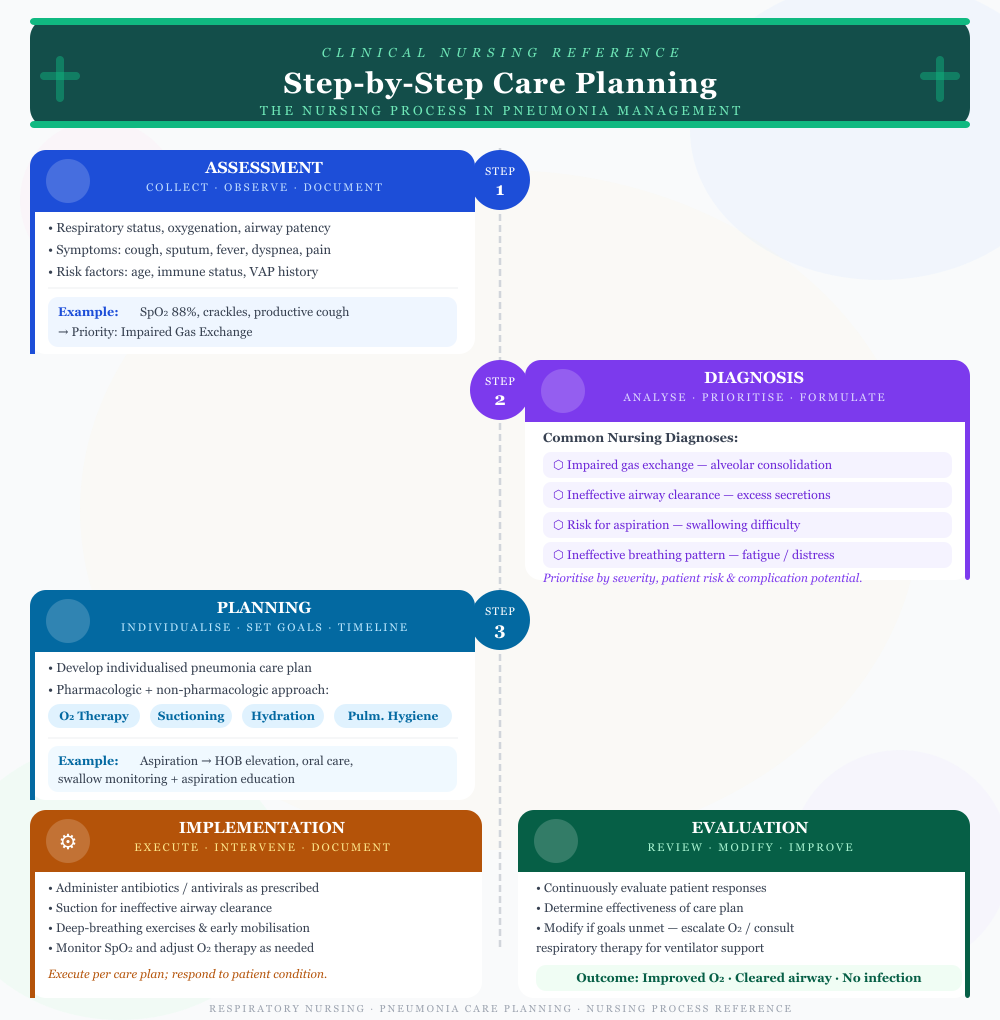
Step-by-Step Care Planning
Step-by-Step Care Planning Using the Nursing Process
- Assessment
- Conduct a thorough nursing assessment of the patient with pneumonia, focusing on respiratory status, oxygenation, and airway patency.
- Assess pneumonia symptoms including cough, sputum characteristics, fever, dyspnea, chest pain, and fatigue.
- Evaluate risk factors for developing pneumonia, such as age (pediatric or older adult), immunocompromised status, and history of ventilator-associated pneumonia.
- Example: A patient with bacterial pneumonia may present with productive cough, crackles in the lungs, and oxygen saturation of 88%, indicating a priority for interventions targeting impaired gas exchange.
- Diagnosis
- Formulate pneumonia nursing diagnoses based on assessment data. Common diagnoses include:
- Impaired gas exchange related to alveolar consolidation and inflammation.
- Ineffective airway clearance due to increased secretions.
- Risk for aspiration in patients with swallowing difficulties or altered consciousness.
- Ineffective breathing pattern due to fatigue or respiratory distress.
- Risk for infection in patients with immunocompromised status or hospital-acquired pneumonia.
- Prioritize diagnoses based on severity, patient risk, and potential for complications.
- Formulate pneumonia nursing diagnoses based on assessment data. Common diagnoses include:
- Planning
- Develop an individualized pneumonia nursing care plan that outlines interventions, timelines, and expected outcomes.
- Incorporate both pharmacologic and non-pharmacologic interventions, including oxygen therapy, suctioning, hydration, pulmonary hygiene, and positioning to maintain a patent airway.
- Example: For aspiration pneumonia, planning may include elevating the head of the bed, performing oral care, monitoring swallowing, and providing education on aspiration prevention.
- Implementation
- Execute interventions according to the care plan.
- Include nursing actions such as:
- Administering antibiotics for bacterial pneumonia or antivirals for viral pneumonia.
- Performing suctioning for patients with ineffective airway clearance.
- Encouraging deep-breathing exercises and mobilization to reduce risk of developing pneumonia.
- Monitoring oxygen saturation and adjusting oxygen therapy for patients with impaired gas exchange.
- Evaluation
- Continuously evaluate patient responses to interventions to determine the effectiveness of the pneumonia nursing care plan.
- Modify interventions as needed if outcomes are not met, such as escalating oxygen therapy for persistent hypoxemia or consulting respiratory therapy for ventilator support.
- Example: A patient with ventilator-associated pneumonia who demonstrates improved oxygen saturation, reduced secretions, and normalized respiratory rate indicates successful implementation of the care plan.
Setting Measurable Goals and Expected Outcomes
Measurable goals provide a benchmark for evaluating patient progress and the effectiveness of interventions. Examples include:
- Improved Oxygenation
- Patient will maintain oxygen saturation ≥92% on room air or prescribed oxygen therapy.
- Signs of hypoxemia, such as cyanosis or restlessness, will decrease.
- Effective Airway Clearance
- Patient will demonstrate productive coughing and the ability to expectorate secretions.
- Lung auscultation will reveal decreased adventitious sounds and improved airflow.
- Prevention of Aspiration
- Patient will remain in upright position during feeding and demonstrate safe swallowing.
- No episodes of choking or aspiration pneumonia will occur.
- Reduction of Infection Risk
- Patient will demonstrate adherence to pneumonia treatment, proper hygiene, and preventive measures.
- Vital signs and lab markers of infection will trend toward normal.
Example:
A pediatric patient with viral pneumonia may have goals to maintain oxygen saturation ≥94%, demonstrate effective coughing every 2–3 hours, and complete hydration goals within 24 hours to support airway clearance.
Documentation and Care Plan Revision
Accurate documentation and ongoing revision are critical components of a comprehensive nursing care plan:
- Recording Interventions and Responses
- Document all nursing interventions, including suctioning, oxygen therapy, medication administration, oral care, and patient education.
- Record patient responses, such as improved oxygen saturation, decreased dyspnea, or successful cough clearance.
- Evaluating Outcomes
- Assess whether the patient achieved the established goals, including improved airway clearance, oxygenation, and prevention of aspiration.
- Identify interventions that require modification or additional support.
- Updating the Care Plan
- Revise the pneumonia nursing care plan based on continuous assessment, changes in patient condition, or response to interventions.
- Example: A patient initially diagnosed with ineffective airway clearance may later require additional interventions such as mechanical ventilation if secretions increase or oxygen saturation decreases.
Example of Care Plan Revision:
- Original diagnosis: Ineffective airway clearance related to increased secretions.
- Intervention: Suctioning every 2–3 hours, positioning upright, hydration, pulmonary hygiene.
- Outcome: Patient demonstrates improved airway clearance.
- Revision: Continue current interventions, decrease suctioning frequency, monitor oxygen saturation, and prepare for discharge education focused on home care and aspiration prevention.
Patient Education and Discharge Planning
Effective patient education and discharge planning are integral components of the pneumonia nursing care plan. Education empowers patients and caregivers to manage pneumonia symptoms, adhere to the pneumonia treatment plan, prevent complications such as respiratory failure or aspiration pneumonia, and reduce the risk of developing pneumonia in the future. Nurses play a central role in providing clear instructions, demonstrating techniques, and reinforcing knowledge to ensure safe recovery at home.
Teaching Self-Care and Symptom Recognition
Patient self-care education should focus on understanding the disease, recognizing pneumonia symptoms, and knowing when to seek medical attention:
- Understanding Pneumonia and Its Treatment
- Explain that pneumonia is an infection that affects the lungs and can be caused by bacterial pneumonia, viral pneumonia, aspiration pneumonia, or atypical pneumonia.
- Discuss the type of pneumonia diagnosed, whether community-acquired pneumonia, hospital-acquired pneumonia, or ventilator-associated pneumonia, and its implications for recovery.
- Educate on the importance of completing the full course of prescribed medications, including antibiotics or antivirals, to prevent recurrence of pneumonia.
- Recognizing Signs and Symptoms
- Teach patients to monitor cough, sputum changes, fever, dyspnea, chest pain, fatigue, and oxygenation levels.
- Highlight the importance of identifying early indicators of developing pneumonia, such as worsening cough, increased sputum production, new onset fever, or decreased oxygen saturation.
- Example: A patient recovering from bacterial pneumonia should seek immediate care if oxygen saturation drops below 92% or if respiratory distress develops.
- Medication Adherence
- Emphasize the need for adherence to prescribed medications to achieve optimal outcomes.
- Provide instructions on dosing schedules, potential side effects, and strategies for managing adverse reactions.
- Educate caregivers in pediatric cases to ensure medications are administered safely and consistently.
- Monitoring Oxygenation and Respiratory Status
- Teach patients how to measure oxygen saturation using a pulse oximeter if prescribed.
- Explain signs of impaired gas exchange, such as cyanosis, restlessness, or rapid breathing, which may indicate worsening respiratory infection or respiratory failure.
Home Care Instructions and Recovery Support
Home care is crucial for supporting recovery and preventing complications of pneumonia or recurrence of pneumonia. Interventions should address airway clearance, hydration, nutrition, positioning, and lifestyle measures:
- Positioning and Pulmonary Hygiene
- Instruct patients to maintain an upright or semi-Fowler’s position to support a patent airway and facilitate breathing.
- Teach coughing techniques and deep-breathing exercises to promote effective airway clearance and prevent atelectasis.
- Encourage the use of humidifiers to moisten airways and reduce irritation.
- Example: A patient with aspiration pneumonia may benefit from positioning at a 45-degree angle during meals and performing pulmonary hygiene exercises hourly.
- Hydration and Nutrition
- Adequate hydration helps thin secretions, enhances airway clearance, and supports the immune system.
- Recommend a balanced diet rich in protein, vitamins, and minerals to strengthen lung tissue and overall recovery.
- Preventing Recurrence and Aspiration
- Educate patients on measures to prevent aspiration, including sitting upright during meals, chewing food thoroughly, and avoiding lying flat immediately after eating.
- Reinforce oral hygiene practices to reduce bacterial colonization in the oropharynx, especially for patients at risk for aspiration.
- Provide guidance on avoiding exposure to respiratory infections and maintaining vaccination schedules for influenza and pneumococcal disease.
- Activity and Rest
- Advise patients to balance rest and activity to prevent fatigue while supporting respiratory function.
- Encourage gradual resumption of daily activities as tolerated, with monitoring for respiratory distress, shortness of breath, or fatigue.
- Follow-Up Care
- Schedule follow-up appointments to monitor lung function, oxygenation, and overall recovery.
- Follow-up may include repeat chest X-rays, arterial blood gas assessments, or laboratory tests to ensure resolution of infection.
Example:
A pediatric patient with viral pneumonia may be instructed to complete hydration goals, perform deep-breathing exercises every 2–3 hours, monitor oxygen saturation, and maintain proper nutrition while caregivers observe for early signs of respiratory infection.
Conclusion
Effective management of pneumonia requires a systematic and evidence-based approach centered on pneumonia nursing diagnoses, nursing care plans, and targeted nursing interventions. By integrating thorough nursing assessments, accurate identification of priority diagnoses, and individualized care planning, nurses can address the multifaceted needs of patients with bacterial pneumonia, viral pneumonia, aspiration pneumonia, or ventilator-associated pneumonia. The structured use of the nursing process ensures that patient care is both proactive and responsive, allowing for timely interventions to prevent complications such as respiratory failure, ineffective airway clearance, and risk for aspiration.
Setting measurable goals and monitoring expected outcomes, including improved oxygenation, effective airway clearance, and prevention of aspiration, provides clear benchmarks for evaluating patient progress. Continuous documentation and revision of the pneumonia nursing care plan further ensure that interventions remain aligned with evolving patient conditions, enabling safe, patient-centered care across acute care, intensive care, and long-term care settings.
Equally important is patient education and discharge planning, which empowers patients and caregivers to recognize pneumonia symptoms, adhere to pneumonia treatment, perform pulmonary hygiene, maintain hydration and nutrition, and implement preventive strategies to reduce the risk of developing pneumonia or recurrence. Tailoring education to pediatric, older adult, and high-risk populations enhances recovery, supports airway management, and strengthens long-term outcomes.
In conclusion, a comprehensive approach to pneumonia nursing care—from accurate assessment and formulation of nursing diagnoses to implementation of interventions, goal-setting, documentation, and patient education—ensures high-quality care that mitigates complications, accelerates recovery, and promotes optimal respiratory function. By consistently applying this structured methodology, nurses provide comprehensive nursing care that addresses the physiological, preventive, and educational needs of patients with pneumonia, ultimately improving patient safety, outcomes, and quality of life.
Frequently Asked Questions
What is a nursing care plan for a patient with pneumonia?
A nursing care plan for a patient with pneumonia is a structured, individualized plan that outlines assessment findings, priority pneumonia nursing diagnoses, planned nursing interventions, measurable goals, and expected outcomes. It guides nurses in providing comprehensive nursing care, addressing respiratory function, airway clearance, infection control, and prevention of complications such as aspiration pneumonia or respiratory failure.
What is the best nursing diagnosis for pneumonia?
The best nursing diagnosis for pneumonia depends on the patient’s assessment, but commonly prioritized diagnoses include impaired gas exchange, ineffective airway clearance, ineffective breathing pattern, and risk for aspiration. These diagnoses target the most urgent respiratory complications and guide interventions to restore oxygenation and airway function.
What is the care plan for pneumonia?
The care plan for pneumonia includes:
- Assessment – respiratory rate, oxygen saturation, lung sounds, cough characteristics, and risk factors.
- Nursing diagnoses – impaired gas exchange, ineffective airway clearance, risk for infection, risk for aspiration.
- Interventions – oxygen therapy, suctioning, pulmonary hygiene, hydration, positioning, medications (antibiotics or antivirals), and patient education.
- Goals and outcomes – improved oxygenation, effective airway clearance, prevention of aspiration, and resolution of infection.
- Evaluation and revision – ongoing monitoring and adjustment of interventions based on patient response.
What are the nursing diagnoses for pneumonia?
Common nursing diagnoses for pneumonia include:
- Impaired gas exchange related to alveolar consolidation and inflammation.
- Ineffective airway clearance due to increased secretions.
- Ineffective breathing pattern related to fatigue or respiratory distress.
- Risk for aspiration due to swallowing difficulties or decreased consciousness.
- Risk for infection in patients with nosocomial pneumonia or immunocompromised status.
